新書推薦:

《
面具之下:近代日本报人对华情报活动
》
售價:NT$
449
《
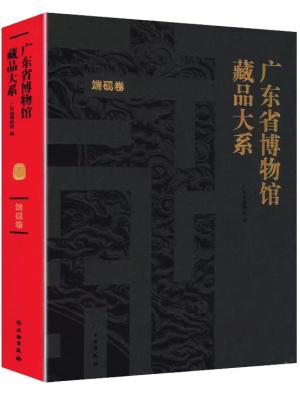
广东省博物馆藏品大系 端砚卷
》
售價:NT$
2540
《
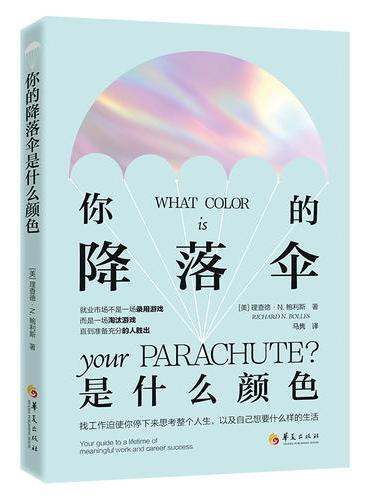
你的降落伞是什么颜色:就业市场不是一场录用游戏,而是一场淘汰游戏,直到准备充分的人胜出
》
售價:NT$
383
《
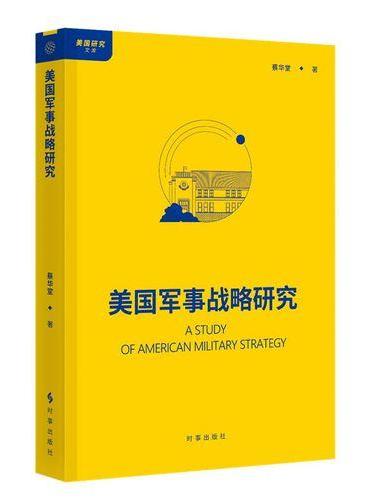
美国军事战略研究
》
售價:NT$
857
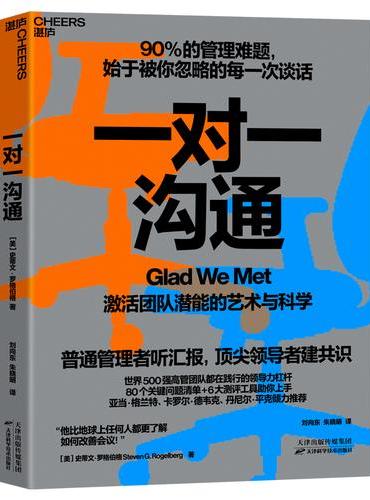
《
一对一沟通
》
售價:NT$
561

《
南海:历史与现实
》
售價:NT$
704
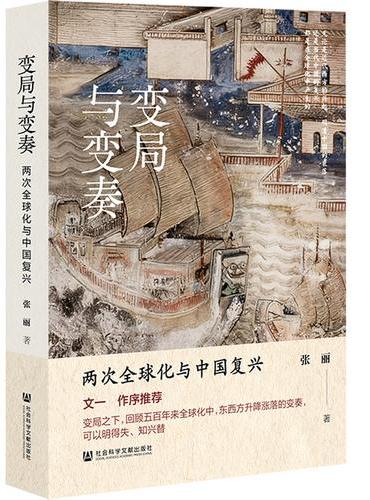
《
变局与变奏:两次全球化与中国复兴
》
售價:NT$
653
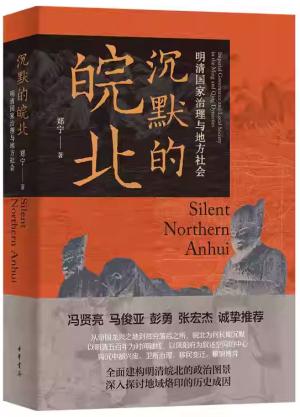
《
沉默的皖北:明清国家治理与地方社会(精)
》
售價:NT$
347
|
| 編輯推薦: |
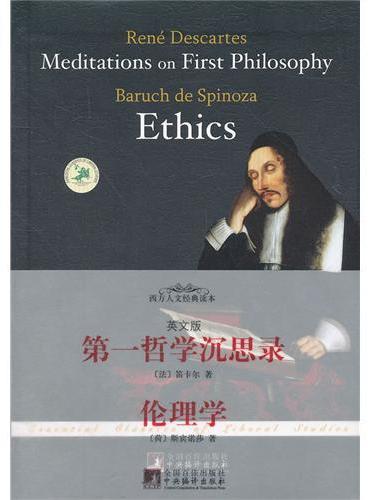
“我思,故我在。”西方近代哲学之父笛卡尔以这一经典命题表明了与前此的传统哲学决裂,阐扬天赋观念论和理性至上论。笛卡尔的“我思”具有鲜明的怀疑、否定、判断的内容,尤其强调以怀疑、否定的精神将“历来信以为真的一切见解统统清除出去,再从根本上重新开始”。这就撼动了自中世纪以来经院哲学神圣不可侵犯的地位,从而在欧陆引发一场理性主义思潮,宣告r启蒙时代的到来。
大陆理性主义的另一位代表人物斯宾诺莎确信哲学也可以像几何推理一般以简洁、明晰的语言来表述;他认为哲学的目的和终结即是伦理学,亦即求得人类最高的善和最大的福祉,因而,他把这部贡献了一生精力的著作命名为《伦理学》。
|
| 內容簡介: |
MEDITATIONS First Philosophy is made up of six meditations,in
which Descartes First discards all belief in things which are not
absolutely certain, and then tries to establish what can be known
for sure. The meditations were written as if he were mcditating
for
6 days: each meditation refers to the last one as
"yesterday".
In Ethics, Spinoza attempts to demonstrate a "fully cohesive
philosophical system that strives to provide a coherent picture of
reality and to comprehend the meaning of an ethicallife." Although
it was published posthumously in 1677, it is his most famous work,
and is considered his magnum opus.
|
| 關於作者: |
RENE DESCARTES (1596-1650), a French philosopher and writer
who has been called the "Father of Modern Philosophy," and in
particular, his Meditations on First Philosophy continues to be a
standard text at most university philosophy departments.
Descartes is perhaps best known for the philosophical statement
"Cogito ergo sum" (I think, therefore I am; or I do think,
therefore I do exist).
BARUCH DE SPINOZA (1632,-1677) was a Dutch philosopher. By laying
the groundwork for the i8th century Enlightenment and modern
biblical criticism, he came to be considered one of the great
rationalist''s of the 17th-century philosophy Gilles Delouse names
him "the prince of philosophers."
|
| 目錄:
|
MEDITATIONS ON FIRST PHILOSOPHY
INTRODUCTION
PREFACE TO THE READER
SYNOPSIS OF THE SIX FOLLOWING MEDITATIONS
MEDITATION I OF THE THINGS OF WHICH WE
MAY DOUBT
MEDITATION II OF THE NATURE OF THE HUMAN
MIND; AND THAT IT IS MORE EASILY KNOWN
THAN THE BODY
MEDITATION III OF GOD: THAT HE EXISTS
MEDITATION IV OF TRUTH AND ERROR
MEDITATION V OF THE ESSENCE OF
MATERIAL THINGS; AND, AGAIN, OF GOD;
THAT HE EXISTS
MEDITATION VI OF THE EXISTENCE OF MATERIAL
THINGS,AND OF THE REAL DISTINCTION
BETWEEN THE MIND AND BODY OF MAN
PART I CONCERNING GOD
PART II OF THE NATURE AND ORIGIN OF
THE MIND
PART III ON THE ORIGIN AND NATURE OF
THE EMOTIONS
PARTIV OF HUMAN BONDAGE OR THE STRENGTH OF THE EMOTIONS
PART V ON THE POWER OF THE UNDERSTANDING,OR OF HUMAN
|
| 內容試閱:
|
3
The first objection is that though, would the humor mind reflects
on itself, it does not perceive that it is any other than a
flunking thing, it does not follow that its nature or essence
consists only in its being a thing loch thinks; so that the word
ONLY shall exclude all other things which might also perhaps be
said to pertain to the nature of the mind. To this objection I
reply, that it was not my intention in that place to exclude these
according to the order of truth in the matter (of which I did not
then treat), but only according to the order of thought
(perception); so that my meaning was, that I clearly apprehended
nothing, so far as I was conscious, as belonging to my essence,
except that I was a thinking thing, or a thing possessing in itself
the faculty of thinking. But I will show hereafter how, from the
consciousness that nothing besides flunking belongs to the essence
of the nun, it follows that nothing else does in truth belong to
it.
4
The second objection is that it does not follow, from my
possessing the idea of a thing more perfect than I am, that the
idea itself is more perfect than myself, and much less that what is
represented by the idea exists. But I reply that in the term idea
there is here something equivocal; for it may be taken either
materially for an act of the understanding, and in this sense it
cannot be said to be more perfect than I, or objectively, for the
thing represented by that act, which, although it be not supposed
to exist out of my understanding, may, nevertheless, be more
perfect than myself, by reason of its essence. But, in the sequel
of this treatise I will show more amply how.
……
|
|

 購物車/收銀台(0) | 在線留言板
| 付款方式
| 聯絡我們
| 運費計算
| 幫助中心 |
加入書簽
購物車/收銀台(0) | 在線留言板
| 付款方式
| 聯絡我們
| 運費計算
| 幫助中心 |
加入書簽 HOME
HOME 新書上架
新書上架