新書推薦:
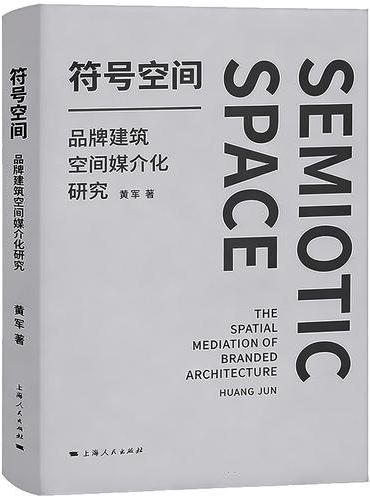
《
符号空间:品牌建筑空间媒介化研究
》
售價:NT$
638
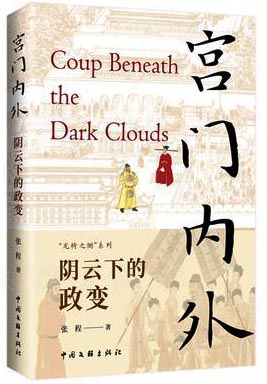
《
宫门内外:阴云下的政变
》
售價:NT$
332

《
从阅读到输出:靠大量阅读年入7位数 每天15分钟读写闭环,启动人生复利增长系统
》
售價:NT$
356

《
世上要有天一阁
》
售價:NT$
347

《
精确科学的常识 天才数学家克利福德
》
售價:NT$
194

《
星海赞歌(第十三届北京科幻创作创意大赛“光年奖”获奖作品集)
》
售價:NT$
449

《
沪派江南·古今桥韵——高颜值的文化瑰宝
》
售價:NT$
500

《
中产阶级的孩子们:六十年代与文化领导权
》
售價:NT$
500
|
| 內容簡介: |
|
鉴于以往中外有关动物隐喻的研究大多数是以问卷调查或词典为来源收集语料,以大型语料库为语料来源、以非人域为目标域对单个动物进行细致深入跨文化研究比较少这一事实,本书以Lakoff和Johnson1980的概念隐喻理论及Fauconnier和Turner1998;2002的概念整合理论为基础,从北大现代汉语语料库和英语国家语料库中分别提取语料,以目标域为立足点对目标域为人及非人域时汉英蛇、狮隐喻在源域、喻义、抽象出的概念隐喻及感情色彩等方面的异同作了翔实的分析和比较,发现不同文化中的动物隐喻是相似性和差异性共存的。
|
| 目錄:
|
FOREWORD
INTRODUCTION
CHAPTER 1 TWO METAPHOR THEORIES
1.1 Conceptual Metaphor Theory
1.2 Conceptual Blending Theory
1.3 The examplified applicatin of CMT and CBT to the interpretation of snake and lion metaphorical expressions
1.4 Summary
CHAPTER 2 SNAKE METAPHORS IN MANDARIN
CHINESE AND BRITISH ENGLISH
2.1 Snake metaphors in Mandarin Chinese
2.1.1 Overview of the snake metaphors
2.1.2 Snake metaphors with human bergs as the target domain
2.1.3 Snake metaphors with non-human beings as the target domain
2.2 Snake metaphors in British English
2.2.1 Overview of the snake metaphors
2.2.2 Snake metaphors with human beings as the target domain
2.2.3 Snake metaphors with non-human beings as the target domain
2.3 A comparison of snake metaphors in Mandarin Chinese and British English
2.3.1 The differences between snake metaphors in Mandarin Chinese and British English
2.3.2 The differences between snake metaphors in Mandarin Chinese and British English when the target domain is human beings
2.3.3 The differences between snake metaphors in Mandarin Chinese and British English when the target domains are non-human beings
2.3.4 Causes for universality and variation of snake metaphors in Mandarin Chinese and British English
2.4 Summary
CHAPTER 3 LION METAPHORS IN MANDARIN CHINESE AND BRITISH ENGLISH
3.1 Lion metaphors in Mandarin Chinese
3.1.1 Overview of the lion metaphors
3.1.2 Lion metaphors with human beings as the target domain
3.1.3 Lion metaphors with non-human beings as the target domain
3.2 Lion metaphors in British English
3.2.1 Overview of the lion metaphors
3.2.2 Lion metaphors with human beings as the target domain
3.2.3 Lion metaphors with non-human beings as the target domain
3.3 A comparison of lion metaphors in Mandarin Chinese and British English
3.3.1 The differences between lion metaphors in Mandarin Chinese and British English
3.3.2 The differences between lion metaphors in Mandarin Chinese and British English when the target domain is human beings
3.3.3 The differences between lion metaphors in Mandarin Chinese and British English when the target domains are non-human beings
3.3.4 Causes for universality and variation of lion''metaphors in Mandarin Chinese and British English
3.4 Summary
CHAPTER 4 REVISED CONCEPTUAL BLENDING THEORY
4.1 Implication one
4.2 Implication two
4.3 Summary
REFERENCES
APPENDIX A DATA SOURCE
APPENDIXB RESEARCH DESIGN
|
|

 購物車/收銀台(0) | 在線留言板
| 付款方式
| 聯絡我們
| 運費計算
| 幫助中心 |
加入書簽
購物車/收銀台(0) | 在線留言板
| 付款方式
| 聯絡我們
| 運費計算
| 幫助中心 |
加入書簽 HOME
HOME 新書上架
新書上架

