新書推薦:
《
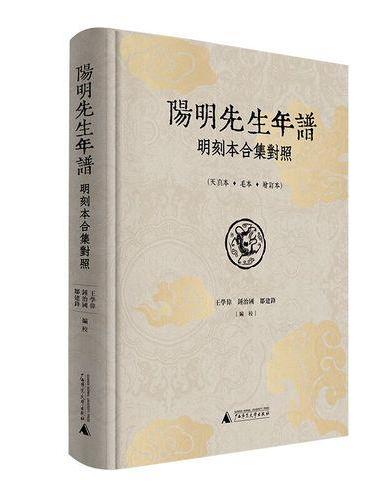
《阳明先生年谱》明刻本合集对照
》
售價:NT$
653

《
女人30+,养气血、调脾胃、防衰老(北京卫视《养生堂》《我是大医生》特邀中医养生专家第七批名老中医沈
》
售價:NT$
286

《
征服新世界:西班牙全球帝国之路,1493—1898
》
售價:NT$
449

《
不纠结了 摆脱选择焦虑的极简法则 高敏感、优柔寡断、总陷入选择内耗的 纠结星人 自救指南
》
售價:NT$
254

《
当战争来敲门(牛津二战史,耶鲁、剑桥大学教授推荐)
》
售價:NT$
449

《
初老的身体:更年期新规则指南(第2版)
》
售價:NT$
653

《
摘星星的人
》
售價:NT$
218

《
名侦探的守则(东野圭吾:反套路!玩梗诡计,吐槽套路,爆笑推理!“你怎么看出我男扮女装的?”)
》
售價:NT$
301
|
| 內容簡介: |
|
李晓红编著的《双语语料库界面下英汉语义韵对 比研究》以语料库研究范式下的扩展意义单位模型为 理论基础,基于双语语料库界面下的验证数据,采用 语义韵力度、主导语义趋向等测量描述参数,在英汉 双语视角下揭示并探讨英汉双语词汇型式表达语义韵 的特征异同,并提出语义韵对等是*高程度的双语型 式对等。本研究对语言对比研究、翻译研究、语言教 学及双语词典编撰具有借鉴意义。本书适合语料库、 翻译、语言对比领域的研究者和教师使用。
|
| 關於作者: |
|
李晓红,2013年获上海交通大学外国语言学及应用语言学博士学位,目前在上海外国语大学外国语言文学博士后流动站进行博士后研究。工作单位:上海电力学院外国语学院,讲师。主要从事语料库语言学研究。主要学术论文发表于国内外多个重要学术期刊:《外语教学与研究》(CSSCI)、《现代外语》(CSSCI)Corpus Linguistics and Linguistic Theory(SSCI)等。参与多项国家社科基金项目;参与撰写书著《对比短语学探索》。
|
| 目錄:
|
Chapter 1 Introduction
1.1 Background of the study
1.2 Objectives and significance of the study
1.3 Organization of the thesis
Chapter 2 A Review of the Literature and the Theoretical
Background
2.1 Major views of semantic prosody in the monolingual
context
2.1.1 The contagious view
2.1.2 The connotative view
2.1.3 The functional view
2.1.4 The discoursal and textual view
2.1.5 Disputes on semantic prosody
2.2 Cross-language studies of semantic prosody
2.2.1 Studies of semantic prosody across English
and other European languages
2.2.2 Studies of semantic prosody across English
and Chinese
2.2.3 Comments on the cross-language studies of
semantic prosody
2.3 Summary
Chapter 3 Research Design and Methodology
3.1 Definitions and terminology
3.1.1 Semantic preference and semantic prosody
3.1.2 Other terms
3.2 Corpus used
3.3 Analytical procedure
3.4 Sketching out prima facie translation pairs in JDPC
3.5 Summary
Chapter 4 A Case Study and Overall Data of Semantic Prosody
4.1 A case study of identifying semantic prosody
4.1.1 Presumed equivalents by MC values
4.1.2 Equivalents from dictionaries
4.2 Overall data of prosodies
4.3 Summary
Chapter 5 Common Properties of Semantic Prosody in English
and Chinese
5.1 Connotative polarity and prosodic potential
5.1.1 Prosodic transparency by overt connotative
polarity
5.1.2 Prosodic opaqueness by covert connotative
polarity
5.1.3 Discussion
5.2 Semantic preference and semantic prosody
5.2.1 Consistent polarities between predominant
preference and semantic prosody
5.2.2 Conflicting polarities between predominant
preference and semantic prosody
5.2.3 Optional preferences and semantic prosody
5.2.4 Discussion
5.3 The production and identification of semantic
prosody
5.4 Summary
Chapter 6 Language-specific Features of Semantic Prosody
6.1 Prosodic strength
6.1.1 Divergence in semantic prosody
6.1.2 Congruence in semantic prosody
6.2 Prosodic clash
6.2.1 Prosodic atypicality in the target language
6.2.2 Prosodic gap in the target language
6.3 Structural patterning and semantic prosody
6.3.1 Variations in structural patterning
6.3.2 Roles of structural patternings
6.3.3 Discussion
6.4 Summary
Chapter 7 Semantic Prosody Equivalence and Patterning
Equivalence
7.1 Opposite semantic prosodies and low possibility
of PE
7.1.1 Opposite prosodies and different
preferences
7.1.2 Contextual equivalents
7.1.3 Discussion
7.2 Different semantic prosodies and partial PE
7.2.1 Partial patterning equivalence
7.2.2 Deviation from prosodic norms
7.2.3 Non-correspondence between optional
preferences
7.2.4 Discussion
7.3 More on partial PE
7.3.1 Correspondences in semantic preference
7.3.2 The attitudinal pendulum
7.3.3 Deviations from prosodic norm
7.4 Similar semantic prosody and high probability
of PE
7.5 Typical PE and synonymous prima facie
equivalents
7.5.1 Degrees of syntagmatic expectation
7.5.2 Specificity of collocational choices
7.5.3 Typical PE among synonymous pairs
7.6 Summary
Chapter 8 Conclusions and Implications
8.1 General Conclusion
8.2 Implications
8.2.1 Implications for translation studies
8.2.2 Prosodic information in bilingual
lexicography
8.2.3 Awareness of prosodies in language teaching
and learning
8.3 Limitations of the present study and suggestions
for future studies
Bibliography
Index
|
|

 購物車/收銀台(0) | 在線留言板
| 付款方式
| 聯絡我們
| 運費計算
| 幫助中心 |
加入書簽
購物車/收銀台(0) | 在線留言板
| 付款方式
| 聯絡我們
| 運費計算
| 幫助中心 |
加入書簽 HOME
HOME 新書上架
新書上架


