新書推薦:

《
今日私法理论:德国私法理论的多元视角(德语法学思想译丛)
》
售價:NT$
434

《
敦煌简史
》
售價:NT$
1826

《
人性的优点
》
售價:NT$
245

《
梵语入门教程:语法和练习(全二册)
》
售價:NT$
1367

《
汉初十年 刘邦与吕氏家族 32幅图表清晰标注关键战役人事布局
》
售價:NT$
281
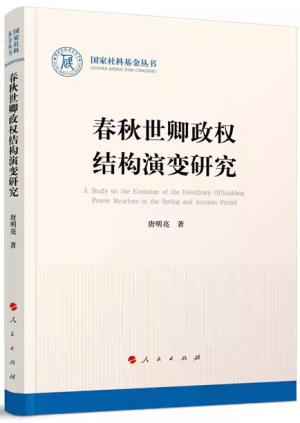
《
春秋世卿政权结构演变研究
》
售價:NT$
398

《
幸福家庭的法律密码
》
售價:NT$
347
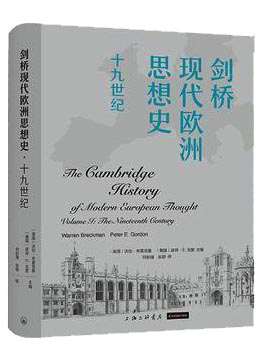
《
剑桥现代欧洲思想史·十九世纪
》
售價:NT$
607
|
| 內容簡介: |
|
魏耀章编著的《认知能力和语言水平对中国英语学习者隐喻理解和生成的影响》首先从隐喻研究以来 *具影响的以Aristotle为代表的古典隐喻理论和以 Lakoff&Johnson为代表的当代隐喻理论(Steen2000:261)人手,借助于其他相关研究成果,探究隐喻的本质属性。在此基础上,作者指出,两种理论的根本分歧不在于它们所讨论的隐喻本质有所不同,而是由于它们各自受当时所处的社会历史和学术环境的影响和制约,从不同的角度阐释了对隐喻的理解。
|
| 目錄:
|
Chapter 1 General Introduction
1.1 Introduction
1.2 Need for the study
1.3 The theoretical framework: A caveat
1.4 Purposes of this research
1.5 Terminological issues
1.5.1 Conceptualization of cognitive ability
1.5.2 Conceptualization of language proficiency
1.6 The organization of the book
Chapter 2 A Theoretical Framework for This Study
2.1 Introduction
2.2 The classical theory of metaphor
2.3 The contemporary theory of metaphor
2.3.1 Introduction to cognitive linguistics
2.3.2 Relationship of cognition and metaphor
in cognitive linguistics
2.3.3 Metaphor: A contemporary view
2.3.4 Conceptual vs. linguistic metaphors
2.4 A critical analysis of the classical theory of
metaphor
2.4.1 Introduction
2.4.2 The classical theory of metaphor:
A cognitive perspective
2.4.3 Basic differences between the classical and the
contemporary metaphor theory
2.4.4 Possible reasons for the misunderstanding of
the classical theory of metaphor
2.5 A brief conclusion
2.6 Significance. An applied linguistic perspective
Chapter 3 A Literature Review of the Relevant Research
3.1 Introduction
3.2 Metaphoric competence
3.3 Factors influencing metaphor comprehension and
production
3.3.1 Introduction
3.3.2 Cognitive ability, language proficiency and
metaphor comprehension
3.3.3 Cognitive ability, language proficiency and
metaphor production
3.3.4 Basic issues in metaphor production research
3.4 Limitations of the previous research
3.5 A brief summary
Chapter 4 Experiment Design and Data Collection
4.1 Introduction
4.2 Methods and data collection
4.2.1 Subjects
4.2.2 Materials for the tests
4.2.3 Testing Procedures
4.2.4 Scoring
Chapter 5 Results and Discussions
5.1 Introduction
5.2 Question 1
5.2.1 Data and analyses
5.2.2 Summary and discussion
5.3 Question 2
5.3.1 Data and analyses
5.3.2 Metaphor comprehension and production performances
of the subjects divided by cognition
5.3.3 Metaphor comprehension and production performances
of the subjects divided by language proficiency
5.3.4 A general summary and discussion
5.4 Question 3
5.4.1 Data and data analyses
5.4.2 Summary and discussion
5.5 Question 4
5.5.1 Data and data analyses
5.5.2 Summary and discussion
Chapter 6 Conclusion, Implication and Limitation
6.1 Introduction
6.2 Major findings of the study
6.3 Implications
6.3.1 Theoretical implications
6.3.2 Pedagogical implications
6.3.3 Methodological implications
6.3.4 Limitations
6.3.5 Suggestions for future research
Appendixes
Bibliography
|
|

 購物車/收銀台(0) | 在線留言板
| 付款方式
| 聯絡我們
| 運費計算
| 幫助中心 |
加入書簽
購物車/收銀台(0) | 在線留言板
| 付款方式
| 聯絡我們
| 運費計算
| 幫助中心 |
加入書簽 HOME
HOME 新書上架
新書上架


