新書推薦:

《
从阅读到输出:靠大量阅读年入7位数 每天15分钟读写闭环,启动人生复利增长系统
》
售價:NT$
356

《
世上要有天一阁
》
售價:NT$
347
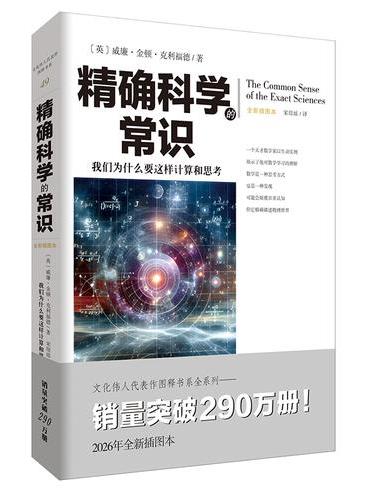
《
精确科学的常识 天才数学家克利福德
》
售價:NT$
194

《
星海赞歌(第十三届北京科幻创作创意大赛“光年奖”获奖作品集)
》
售價:NT$
449

《
沪派江南·古今桥韵——高颜值的文化瑰宝
》
售價:NT$
500

《
中产阶级的孩子们:六十年代与文化领导权
》
售價:NT$
500
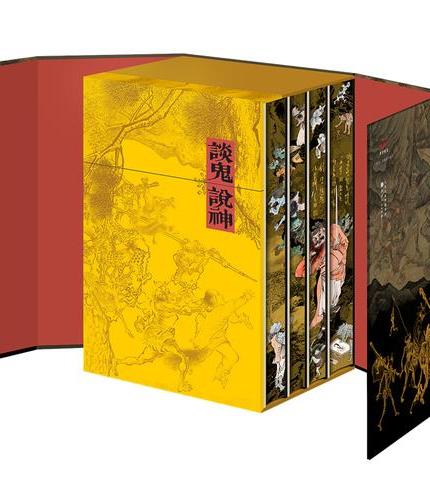
《
谈鬼说神
》
售價:NT$
1846

《
走出秦制:清末民初六十年(慈禧、奕?、李鸿章、张之洞、袁世凯、康有为、梁启超、宋教仁等对中国前途的思
》
售價:NT$
602
|
| 編輯推薦: |
|
《词汇频率分布英文影印版》充分展示了词频分布的理论模型与实际数据之间统一与多元的关系、数值指标和直观图示之间矛盾与和谐的地方,其中很多开放问题有待于进一步探索;导读也力图在书中发现一些值得进一步思考和探索的问题,帮助读者更快速地接近前沿。
|
| 內容簡介: |
|
《词汇频率分布英文影印版》是"计算语言学与语言科技原文丛书"中的一册,在Google Scholar上已被引用数百次,以直观的图形,简练的文字对词频分布作了一次系统梳理,并有作者的一些独到见解,开此领域先河,也为不同领域的读者了解词频分布规律开启了一扇窗,为有志进一步探索词频分布奥秘的研究者打开了一扇门。
|
| 目錄:
|
目 录
List of Figures
List of Tables
导 读
Introduction
1Word Frequencies
1.1Introduction
1.2The frequency spectrum
1.3Zipf
1.4The quest for characteristic constants
1.5The lognormal distribution
1.6Discussion
1.7Bibliographical Comments
1.8Questions
2Non-parametric models
2.1Basic concepts.
2.2The Um model.
2.3The Structural Type Distribution
2.4The LNRE zone
2.5Good-Turing estimates
2.6Interpolation and Extrapolation
2.6.1Interpolation
2.6.2Extrapolation
2.7Discussion
2.8Bibliographical Comments
2.9Questions
3Parametric models
3.1Introduction
3.2LNRE models
3.2.1The Lognormal Structural Type Distribution
3.2.2The Generalized Inverse Gauss-Poisson Structural Type
Distribution
3.2.3The Zipfian Family of LNRE Models
3.3Evaluating Goodness of Fit
3.4Parameter estimation
3.5A comparative study
3.6Comparing Lexical Measures Across Texts
3.7Discussion
3.8Bibliographical Comments
3.9Questions
4Mixture distribution尽
4.1Introduction
4.2Expectations, variances, and covariances
4.3Examples of mixture distributions
4.3.1A text-level mixture model
4.3.2Morphological mixtures
4.4Morphological Productivity
4.5Discussion
4.6Bibliographical Comments
4.7Questions
5The Randomness Assumption
5.1The Randomness Assumption
5.1.1Non-randomness and lexical specialization
5.1.2Consequences of non-randomness
5.2Adjusted LNRE models
5.2.1Partition-based adjustment
5.2.2Parameter-based adjustment
5.3Discussion
5.4Bibliographical Comments
6Examples of Applications
6.1Distributional properties of the lexicon
6.1.1Word leng? and sample size
6.1.2Matching reliability across corpora
6.2Morphological productivity
6.2.1Global analyses
6.2.2Productivity and register
6.3Authorship and Style
6.4Beyond word frequency distributions
6.4.1Counts of filarial worms on mites on rats
6.4.2Year references
6.3CV-structures.
6.4.4Word pairs
6.4.5Discussion
6.5Some practical guidelines
A List of Symbols
B Solutions to the exercises
C Software
D Data sets
Bibliography
Index
|
|

 購物車/收銀台(0) | 在線留言板
| 付款方式
| 聯絡我們
| 運費計算
| 幫助中心 |
加入書簽
購物車/收銀台(0) | 在線留言板
| 付款方式
| 聯絡我們
| 運費計算
| 幫助中心 |
加入書簽 HOME
HOME 新書上架
新書上架

