新書推薦:

《
你的代谢还好吗:控制“五高”饮食运动法
》
售價:NT$
254
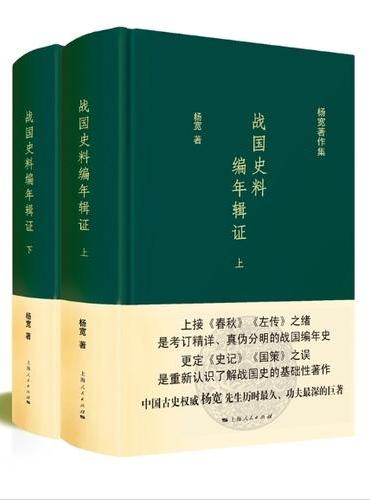
《
战国史料编年辑证(全二册)(杨宽著作集)
》
售價:NT$
1265

《
流动的世界想象:中国当代电影与视觉文化
》
售價:NT$
347
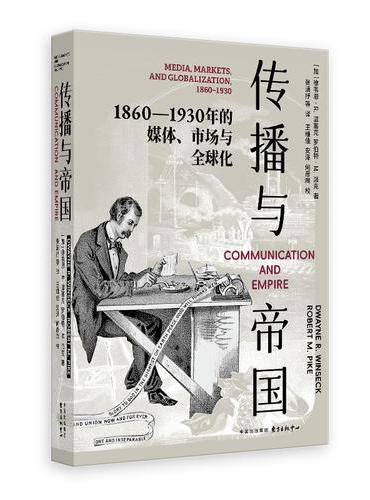
《
传播与帝国:1860—1930 年的媒体、市场与全球化(跨洲史料详尽呈现全球通信全景,资本视角重新定
》
售價:NT$
458
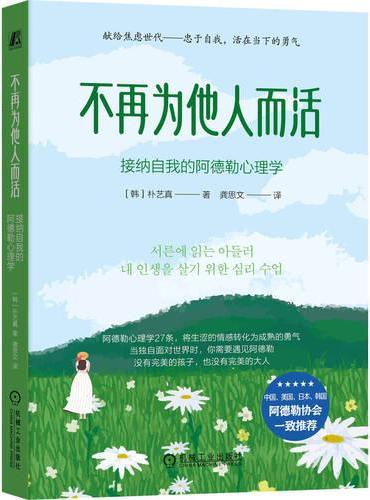
《
不再为他人而活:接纳自我的阿德勒心理学
》
售價:NT$
301
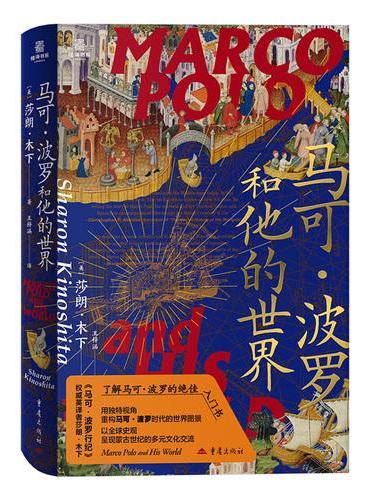
《
马可波罗和他的世界 蒙古世纪全球史陆海书系
》
售價:NT$
398
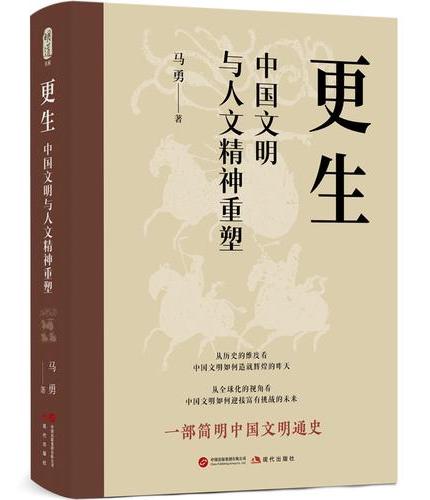
《
更生:中国文明与人文精神重塑
》
售價:NT$
755
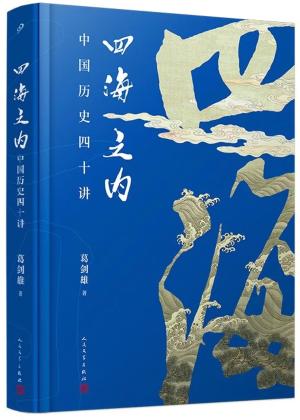
《
四海之内:中国历史四十讲
》
售價:NT$
454
|
| 編輯推薦: |
《如何通过思辨学好一门学科》为思想者指南丛书系列中的一本,属于其中的教学篇,主要针对教师及学生而
设计,《如何通过思辨学习一门学科》主要内容为提供一系列学习技巧,帮助学生通过思辨来学习一门学科,从而
提高学习成绩,成为*的学习者。
|
| 內容簡介: |
|
《如何通过思辨学好一门学科》为思想者指南丛书系列中的一本,属于其中的教学篇,主要针对教师及学生而设计,《如何通过思辨学习一门学科》主要内容为提供一系列学习技巧,帮助学生通过思辨来学习一门学科,从而提高学习成绩,成为顶级的学习者。
|
| 關於作者: |
|
Richard Paul:思辨研究专家,国际思辨研究运动主要负责人,已发表200余篇与思辨研究相关的论文、出版5部论述思辨研究的著作。Linda Elder:教育心理学专家、思辨研究专家,在美国多所大学任教,主要教授课程为教育心理学、思辨能力培养;思辨研究协会会长、思辨中心执行主任。
|
| 目錄:
|
Why A Thinker''s Guide on How to Study and Learn A Discipline?..........iii
How to Use This Guide..........iv
Part I: Laying the Foundation..........1
18 Ideas for Becoming a Master Student..........1
How to Study and Learn a Discipline..........3
How to Learn with Discipline..........5
How to Identify an Underlying Idea for the Subjects You Study..........6
Understanding Content Through the Thinking It Requires: A Key to Deep Learning..........7
How to Identify the Structure of a Subject: The Elements of Thought..........8
How to Figure Out the Form of Thinking Essential to Courses or Subjects..........9
How to Think Within the Ideas of a Subject..........11
How to Analyze the Logic of an Article, Essay, or Chapter..........13
How to Figure Out the Logic of a Textbook..........15
How to Understand Ideas..........17
How to Control and Not Be Controlled by Ideas..........18
How to Understand Reading, Writing, Speaking, Listening, and Thinking..........19
How to Learn Ideas from Textbooks..........21
Part II: Following Through..........23
How Good a Student Are You?..........23
How to Think Through the Defining Traits of the Disciplined Mind..........25
How to Understand Intellectual Standards..........27
How to Evaluate an Authors Reasoning..........29
How to Raise Important Questions Within a Subject..........30
How to Distinguish One-System from Competing-Systems Disciplines..........31
How to Ask Questions About Fields of Study..........33
How to Ask Questions About Textbooks..........34
How to Understand the Logic of Biochemistry An Example..........35
How to Think Biologically An Example..........36
How to Think Historically An Example..........37
How to Understand the Logic of Philosophy, Sociology, and Archaeology Three Final
Examples..........39
How to Understand the Role of Questions in Thinking and Learning..........42
How to Distinguish In
|
|

 購物車/收銀台(0) | 在線留言板
| 付款方式
| 聯絡我們
| 運費計算
| 幫助中心 |
加入書簽
購物車/收銀台(0) | 在線留言板
| 付款方式
| 聯絡我們
| 運費計算
| 幫助中心 |
加入書簽 HOME
HOME 新書上架
新書上架

