新書推薦:

《
优势累积:给中国家庭的松弛父母课
》
售價:NT$
300

《
汗青堂丛书163——狄仁杰与武则天:武周革命与平民官僚的崛起
》
售價:NT$
449

《
历史、神话与艺术:东西方文化的解读和比较
》
售價:NT$
347

《
在别处安家:关于逃离、生存与梦想破碎之地
》
售價:NT$
347

《
棉花王国 密西西比河流域的奴隶制与资本主义 (一部改写美国奴隶制认知的史学佳作)
》
售價:NT$
602

《
历史哲学 一部关于世界文明 理性与历史的终极思考
》
售價:NT$
505

《
诡舍6完结篇蔽日开天
》
售價:NT$
254
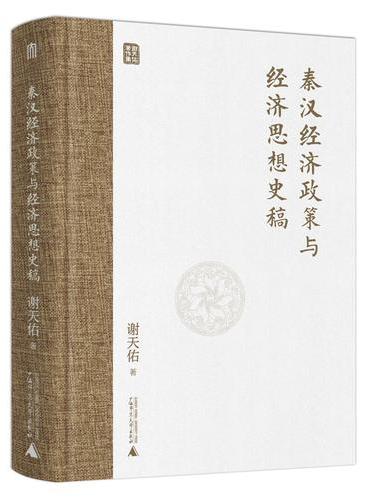
《
大学问·秦汉经济政策与经济思想史稿(jue版好书复活,读懂秦汉,就是读懂中国两千年的经济底色。)
》
售價:NT$
454
|
| 內容簡介: |
《法律英语》的编写目的旨在培养学生使用英语对基本的法律专业文本的阅读理解能力。选材以英语原版材料为基础,以反映英美法系的内容为主,涉及法律体系、法学教育、法院体系以及宪法、刑法、刑事诉讼法、民事诉讼法、侵权法、合同法、国际法等部门法,从而使学生开阔视野,对英美法系的基本制度有一定了解,并熟悉和掌握基本法律术语的英语表达,为学生用英语开展专业文献阅读和从事法律实务奠定基础。
《法律英语》全书共16课,供一个学年使用。每课由课前练习、课文、注释、练习、补充阅读组成。编写原则是每一课中的所有部分都从不同的角度围绕一个主题展开。课前练习解决术语和预读问题。注释主要解决课文中出现的法律知识、文化、习惯用法等方面的问题。练习注重结合学生语言技能的训练和法律知识的运用,分为阅读理解、完形填空、术语翻译、段落翻译、命题讨论。其中,阅读理解部分检查学生对课文中法律知识的理解程度,同时也可以使学生在回答问题时提高英语口语交际能力;完形填空部分主要选择与课文内容相关的材料,通过选择关键词填空,加深对相关知识的了解;术语翻译部分是将课文中出现的法律术语习惯搭配挑选出来,通过练习引起学生的重视;段落翻译的内容也与课文密切相关,通过该练习形式训练学生使用法律专业术语表述法律英语文本的内容;命题讨论是为了让学生根据所学内容就所给命题发表自己的见解,以达到训练口语的目的。另外,为了让学生了解法律实务,在书后附有经典案例。
|
| 目錄:
|
Lesson 1 Law
Lesson 2 Legal System
Lesson 3 Legal Education
Lesson 4 Court System
Lesson 5 Constitution
Lesson 6 Administrative Law
Lesson 7 Criminal Law
Lesson 8 Criminal Procedure
Lesson 9 Civil Procedure
Lesson 10 Torts
Lesson 11 Contract
Lesson 12 Property Law
Lesson 13 Law of Corporation
Lesson 14 Intellectual Property
Lesson 15 Evidence
Lesson 16 International Law
Key to Exercise
Appendix
Case 1 宪法案例
Case 2 刑法案例
Case 3 侵权法案例
Case 4 合同法案例
Case 5 刑事诉讼法案例
Key to Cases
|
| 內容試閱:
|
《法律英语(第三版)》:
Law
Every government is the exact symbol of its people. So it is with law. The laws and legal system of a society reflect the values of its people. The fairness of a nation''s laws and the extent to which the legal system justly administers the laws is a measure of the enlightenment, humanity, and degree of civilization of its people.
Law consists of the whole body of rules applied and enforced under the authority of established govemment in determining what conduct is proper and should be permitted and that which should be denied or penalized.
Without law, there would be anarchy. Law is the means through which society is able to exist by providing protection for the individual; by establishing and maintaining order, health, and safety; by providing a peaceful means of dispute resolution, by providing stability and flexibility in economic relations between people; and by prohibiting conduct destructive to society. Rules reflect the society and time in which they operate. Growth of law has been pragmatic, developing from society''s need for reasonableness and flexibility in its day-to-day working.
Law is a dynamic process. It is a flow, constantly changing and continually expanding. In a sense, law is similar to language. It consists of rules and has a pattern, but the rules and pattem change as they are used over a period of time.Law is best understood by viewing the legal system as a process-a means of pulling together society''s needs and goals and translating them into guides for fairness and reasonableness in conduct. Courts, through judicial decisions, reflect the controlling and important social, economic, and political goals and needs of the society in which they function.
|
|

 購物車/收銀台(0) | 在線留言板
| 付款方式
| 聯絡我們
| 運費計算
| 幫助中心 |
加入書簽
購物車/收銀台(0) | 在線留言板
| 付款方式
| 聯絡我們
| 運費計算
| 幫助中心 |
加入書簽 HOME
HOME 新書上架
新書上架


