新書推薦:

《
天命无常:五代十国 优酷人文·“梅毅说中国史”系列(全三册)
》
售價:NT$
704
《
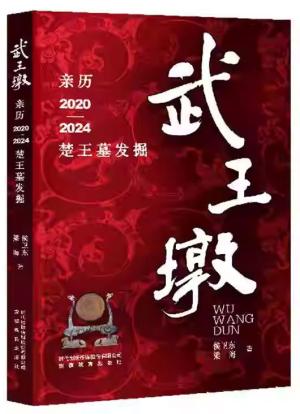
武王墩:亲历2020—2024楚王墓发掘
》
售價:NT$
449

《
异化
》
售價:NT$
439

《
你的脆弱很正常
》
售價:NT$
275

《
鸟墙——康奈尔鸟类学实验室巨幅壁画诞生记
》
售價:NT$
908

《
政治人--政治的社会基础(东方编译所译丛)
》
售價:NT$
602

《
大国崛起战略论:地理与世界霸权+海权论+陆权论+空权论+战争论(全译足本无任何删节-同人阁)
》
售價:NT$
1310
《
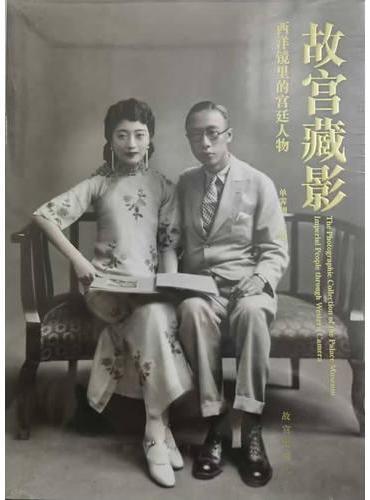
故宫藏影—西洋镜里的宫廷人物
》
售價:NT$
1836
|
| 編輯推薦: |
世界权威产科学指南现在的更新版更加注重母胎医学。
这本产科学著作定义了一代代妇产科医师遵循的原理,现在比更以往更加及时且不可或缺。由享誉全国的德克萨斯州大学西南医学中心作者所撰写,《威廉姆斯产科学》维持了它标志性的宽广涵盖范围以及临床适用性,并提供了本领域*视角。
这本里程碑式的作品以关于生殖系统解剖及生理学的讨论起始,与早产、妊娠相关感染、流产、高血压等产科疑难症相关临床章节相吻合。本*第25版体现了一个世纪的临床理论的结晶,并由超过1000张全彩插图辅助,并给予母胎医学这一高速发展的分支更多关注。
|
| 內容簡介: |
本书是几代妇产科医生的产科教科书,本版书比以往任何时候都更有划时代的意义。作者是美国德州西南医学中心专家,威廉姆斯产科学全面覆盖床边临床内容,具有极强的适用性,同时提供了该领域的*观点。
开篇具有里程碑意义的文章从生殖解剖学和生理学的基本讨论开始。结合临床章节涵盖产科并发症,如早产、妊娠相关感染、出血、高血压等。这是一个世纪的临床思维的高潮,新的第二十五版超过1000个全彩色插图,更加强调了快速增长的母胎医学的次级专业。
|
| 關於作者: |
[美] F.加里坎宁根(F.Gary Cunningham)
医学博士,德克萨斯大学西南医学中心妇产科副教授。
|
| 目錄:
|
Preface
Acknowledgments
SECTION 1:OVERVIEW
1. Overview of Obstetrics
SECTION 2:MATERNAL ANATOMY AND PHYSIOLOGY
2. Maternal Anatomy
3. Congenital GenitourinaryAbnormalities
4. Maternal Physiology
SECTION 3:PLACENTATION, EMBRYOGENESIS, AND FETAL DEVELOPMENT
5. Implantation and PlacentalDevelopment
6. Placental Abnormalities
7. Embryogenesis and FetalDevelopment
SECTION 4:PRECONCEPTIONAL AND PRENATAL CARE
8. Preconceptional Care
9. Prenatal Care
SECTION 5:THE FETAL PATIENT
10. Fetal Imaging
11. Amnionic Fluid
12. Teratology, Teratogens, andFetotoxic Agents
13. Genetics
14. Prenatal Diagnosis
15. Fetal Disorders
16. Fetal Therapy
17. Fetal Assessment
SECTION 6:EARLY PREGNANCY COMPLICATIONS
18. Abortion
19. Ectopic Pregnancy
20. Gestational Trophoblastic Disease
SECTION 7:LABOR
21. Physiology of Labor
22. Normal Labor
23. Abnormal Labor
24. Intrapartum Assessment
25. Obstetrical Analgesia andAnesthesia
26. Induction and Augmentationof Labor
SECTION 8:DELIVERY
27. Vaginal Delivery
28. Breech Delivery
29. Operative Vaginal Delivery
30. Cesarean Delivery and PeripartumHysterectomy
31. Prior Cesarean Delivery
SECTION 9:THE NEWBORN
32. The Newborn
33. Diseases and Injuries ofthe Term Newborn
34. The Preterm Newborn
35. Stillbirth
SECTION 10:THE PUERPERIUM
36. The Puerperium
37. Puerperal Complications
38. Contraception
39. Sterilization
SECTION 11:OBSTETRICAL COMPLICATIONS
40. Hypertensive Disorders
41. Obstetrical Hemorrhage
42. Preterm Birth
43. Postterm Pregnancy
44. Fetal-Growth Disorders
45. Multifetal Pregnancy
SECTION 12:MEDICAL AND SURGICAL COMPLICATIONS
46. General Considerations andMaternal Evaluation
47. Critical Care and Trauma
48. Obesity
49. Cardiovascular Disorders
50. Chronic Hypertension
51. Pulmonary Disorders
52. Thromboembolic Disorders
53. Renal and Urinary Tract Disorders
54. Gastrointestinal Disorders
55. Hepatic, Biliary, and PancreaticDisorders
56. Hematological Disorders
57. Diabetes Mellitus
58. Endocrine Disorders
59. Connective Tissue Disorders
60. Neurological Disorders
61. Psychiatric Disorders
62. Dermatological Disorders
63. Neoplastic Disorders
64. Infectious Diseases
65. Sexually Transmitted Infections
APPENDIX
Serum and Blood Constituents
Maternal EchocardiographicMeasurements
Fetal Sonographic Measurements
Index
|
| 內容試閱:
|
We celebrate this 25th edition of Williams Obstetrics with greatappreciation for the insight and expertise that the early editorsbrought to this textbook. To pay tribute to the first author, J.Whitridge Williams, we begin each chapter with a passage fromhis 1st edition that complements the topic. During this selectionprocess, we were inspired by the strides that modernobstetrics has made since that edition in 1903. Similarly, wewere humbled by some of the classic challenges that still persist.Preterm labor, preeclampsia, and infections are some examples.That said, many of these advances were derived from rigorous,evidence-based research. And, we acknowledge and support thepower of this academic ideal to further our specialty in thedecades to come.Forthis 25th edition, we continue to present the detailedstaples of basic obstetrics such as maternal anatomy and physiology,preconceptional and prenatal care, labor, delivery, andthe puerperium.These accompany detailed discussions ofobstetrical complications exemplified by preterm labor, hemorrhage,hypertension, and many more. To emphasize the M inMaternalFetal Medicine,we continue to iterate the manymedical and surgical disorders that can complicate pregnancy.And,our second patientthe fetushas accrued especialattention with an entire section devoted todiagnosis and treatmentof fetal disorders. For all of these, we once again emphasizethescience-based underpinnings of clinical obstetrics withspecial emphasis on biochemical andphysiological principles.As was the hallmark of previous editions, these dovetail withdescriptionsof evidence-based practices. Expert clinical pearlsadd depth to these discussions and are writtenfor busy practitionersthose in the trenches.To accomplish these goals, the text has beenupdated withmore than 3000 new literature citations through 2017. Manyof the nearly 900figures are new, and these graphs, sonograms,magnetic resonance images, photographs,photomicrographs,and data graphs are almost all in vivid color. Much of theoriginal artwork was rendered by our own medical illustrators.Also, as before, we continue to incorporatecontemporaneousguidelines from professional and academic organizationssuch as the AmericanCollege of Obstetricians and Gynecologists,the Society for MaternalFetal Medicine, theNationalInstitutes of Health and the National Institute for ChildHealth and Human Development,the Centers for DiseaseControl and Prevention, and other authoritative sources. Manyof thesedata are distilled into nearly 100 tables, in which informationhas been arranged in an easyread-and-use format. Inaddition, several diagnostic and management algorithms areavailable to quickly guide practitioners. Although we strive tocite numerous sources and provide multipleevidence-basedoptions for such management schemes, we also include ourown clinicalexperiences drawn from the large obstetrical serviceat Parkland Hospital. We are convinced thatthese aredisciplined examples of evidence-based obstetrics but quicklyacknowledge that they donot constitute the sole method ofmanagement.
F. Gary Cunningham
Kenneth J. Leveno
Steven L. Bloom
Jodi S. Dashe
Barbara L. Hoffman
Brian M. Casey
Catherine Y. Spong
|
|

 購物車/收銀台(0) | 在線留言板
| 付款方式
| 聯絡我們
| 運費計算
| 幫助中心 |
加入書簽
購物車/收銀台(0) | 在線留言板
| 付款方式
| 聯絡我們
| 運費計算
| 幫助中心 |
加入書簽 HOME
HOME 新書上架
新書上架

