新書推薦:
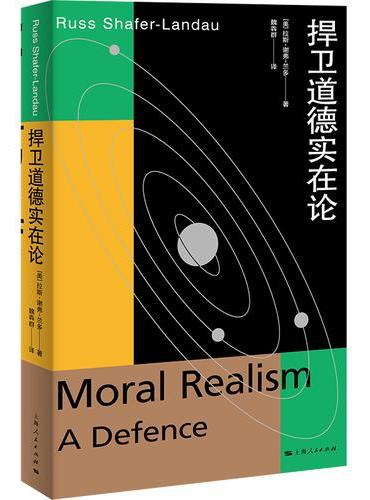
《
捍卫道德实在论(元伦理学系列)
》
售價:NT$
561

《
中西之外:华夏世界观与人类学
》
售價:NT$
398

《
匹诺曹:非存在的存在(阿甘本另类解读《木偶奇遇记》 流浪木偶匹诺曹的哲学启示)
》
售價:NT$
337

《
跨越时空的蜂鸟家族(约翰·古尔德的鸟类手绘图鉴)
》
售價:NT$
857
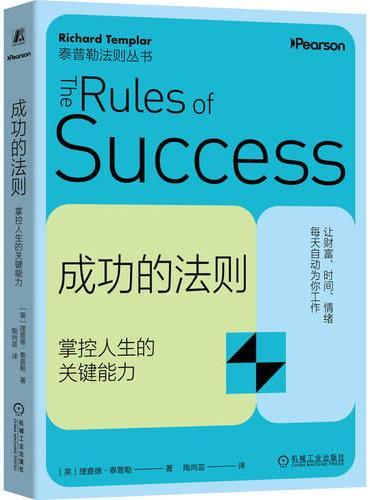
《
成功的法则:掌控人生的关键能力
》
售價:NT$
301

《
黄宗羲传
》
售價:NT$
347

《
教育研究量表手册 21世纪教育科学系列教材
》
售價:NT$
454
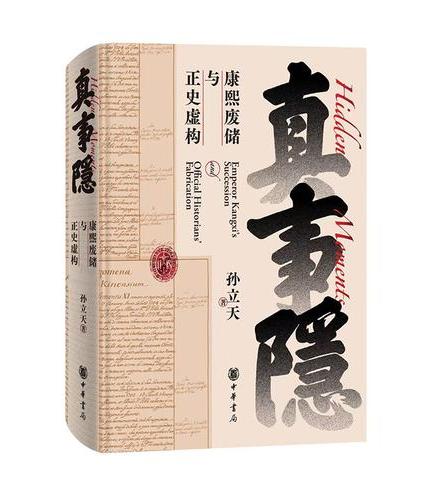
《
真事隐:康熙废储与正史虚构
》
售價:NT$
398
|
| 內容簡介: |
本书通过文献梳理,发现在目前的城市遗产保护研究中存在一个鲜有关注的层面,即社会资本。本书将重点聚焦在社会关系、网络和社会价值等社会资本特征的讨论中,分析了传统中国社会中的传统社会关系和社会关系的基本范式差序格局,运用了一套独特的社会资本参数体系以分析社会核心价值社会和谐。 通过对两个中国城市历史街区的案例研究,本书填补了遗产保护在社会性可持续发展维度中社会和谐和社会公平两大要点的不足,在路径依赖的决策分析框架下进行了社会资本测度分析以及社会网络分析,提出了遗产保护的创新方法整合社会资本的城市遗产保护,并讨论了该方法于中国背景下在遗产保护和遗产管理领域应用推广的可能性。
Sustainable development challenges the process: a decayed historic place should be sustainably transformed not only in terms of economic gains, but also in terms of cultural ecology and social cohesion, With an angle of socially sustainable devel opment, this book argues that sustainable urban conservation should highlight the value-centered place management and decision-making process.本书通过文献梳理,发现在目前的城市遗产保护研究中存在一个鲜有关注的层面,即社会资本。本书将重点聚焦在社会关系、网络和社会价值等社会资本特征的讨论中,分析了传统中国社会中的传统社会关系和社会关系的基本范式差序格局,运用了一套独特的社会资本参数体系以分析社会核心价值社会和谐。 通过对两个中国城市历史街区的案例研究,本书填补了遗产保护在社会性可持续发展维度中社会和谐和社会公平两大要点的不足,在路径依赖的决策分析框架下进行了社会资本测度分析以及社会网络分析,提出了遗产保护的创新方法整合社会资本的城市遗产保护,并讨论了该方法于中国背景下在遗产保护和遗产管理领域应用推广的可能性。
This book is based on Dr. Han Jies PhD study in National University of Singapore. Urban conservation in historic quarters has now been frequently used as a tool of urban development to trigger the revivals of decayed urban historic areas under various contexts. Particularly in China during the last two decades, with selective protection of significant heritage buildings or sites together with rampant demolition of surrounding traditional quarters, many urban conservation practices have entailed so called "protective damages , or even social conflicts during the transformation process.
Sustainable development challenges the process: a decayed historic place should be sustainably transformed not only in terms of economic gains, but also in terms of cultural ecology and social cohesion, With an angle of socially sustainable devel opment, this book argues that sustainable urban conservation should highlight the value-centered place management and decision-making process.
This research identifies one omitted aspect in current study of urban conservation which is social capital. Although social capital is a widely discussed and adopted concept, this research focuses on its features as social relationship, network and social value. The research examines traditional social relationships and the fundamental relationship patterns in traditional China societyCHU-XU-GE-JU 差序格局 . Moreover this research employs a set of specific social capital parameters to facilitate the analysis of the core social value systemHE 和 in China, which means social cohesion.
With the intention to examine how social capital might contribute to urban conservation by filling in the gap of social sustainability concern with respect to the two key indicatorssocial cohesion and social justice, this study examines the roles of social capital in the urban conservation process through case study of two historic quarters in China. Both were planned to be demolished in the initial stage but successfully conserved in the end, namely Hui Fang in Xian and Tianzi Fang in Shanghai. A mixed
methodology is employed, which includes case study, social capital survey and social network analysis under a decision-making framework of path dependency, Based on the findings, this study proposes an alternative conservation approachthe social capital integrated urban conservation approach, and the potential implications for heritage conservation and management in China are discussed.
|
| 目錄:
|
Acknowledgement
List of Figures
List of Tables
List of Charts
Chapter1Introduction
Chapter2Literature Review of Urban Conservation
Chapter3Theoretical Underpinning
Chapter4Research Methodology
Chapter5Case Study of Hui Fang in Xian
Chapter6Case Study:Tianzi Fang in Shanghai
Chapter7Data Analysis
Chapter8Conclusion
References
Appendix Principle Component Analysis PCA
|
|

 購物車/收銀台(0) | 在線留言板
| 付款方式
| 聯絡我們
| 運費計算
| 幫助中心 |
加入書簽
購物車/收銀台(0) | 在線留言板
| 付款方式
| 聯絡我們
| 運費計算
| 幫助中心 |
加入書簽 HOME
HOME 新書上架
新書上架


