新書推薦:
《
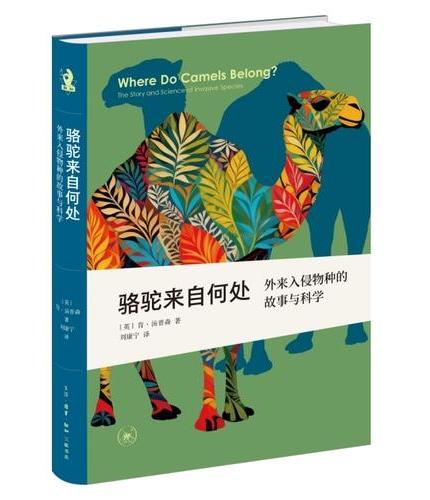
新知文库精选·骆驼来自何处:外来入侵物种的故事与科学
》
售價:NT$
352

《
沟通:终身原则(第八版)
》
售價:NT$
1010

《
小狗心理疗愈日记 史努比陪你找到自我主体性 走出艰难时刻
》
售價:NT$
214

《
心灵银行 脑科学轻松创造真正的改变 世界级催眠大师约翰卡帕斯送给普通人改写命运的秘密武器
》
售價:NT$
347
《
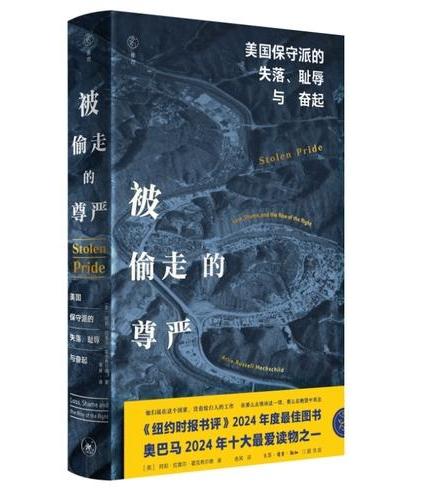
被偷走的尊严:美国保守派的失落、耻辱与奋起(三联·哈佛燕京学术丛书)
》
售價:NT$
398

《
尖叫的数学:令人惊叹的数学之美:修订新版(从数学的角度发现不一样的逻辑和处世哲学。随书附赠手账本。)
》
售價:NT$
296

《
数学老师没教过的数学
》
售價:NT$
214

《
法国在乍得的战争:在非洲的军事干预与非殖民化
》
售價:NT$
500
|
| 內容簡介: |
China is a unified multi-ethnic country. In the course of a civilization that dates back more than 5,000 years, the various ethnic groups of China have created a long history and a splendid culture. Since ancient times many ethnic groups have made their way to Xinjiang, and it has become their home and a place for cultural integration. Various ethnic cultures of Xinjiang have their roots in the fertile soil of Chinese civilization, advancing their own cultural development while enriching the overall culture of China.China is a unified multi-ethnic country. In the course of a civilization that dates back more than 5,000 years, the various ethnic groups of China have created a long history and a splendid culture. Since ancient times many ethnic groups have made their way to Xinjiang, and it has become their home and a place for cultural integration. Various ethnic cultures of Xinjiang have their roots in the fertile soil of Chinese civilization, advancing their own cultural development while enriching the overall culture of China.
Since the People''s Republic of China was founded in 1949, the Chinese government has attached great importance to documenting and protecting the excellent traditional ethnic cultures in Xinjiang, and ensuring that they are passed on to succeeding generations. It has promoted creative transformation and innovative development, encouraging these ethnic groups to learn spoken and written languages from each other, promoted communication and integration, respected their freedom of religious belief, and worked to develop their cultural undertakings and industries. The government has worked to modernize ethnic cultures, to strengthen cultural exchanges with foreign countries, and to enhance each group''s cultural confidence while engaging in exchanges with and mutual learning from others.
|
| 目錄:
|
Cultural Protection and Development in Xinjiang November 2018
Preamble
I. Xinjiang Ethnic Cultures Are Part of the Chinese Culture
II. The Spoken and Written Languages of Ethnic Groups Are Widely Used
III. Respecting and Protecting Religious Culture
IV Protecting and Carrying Forward Cultural Heritage
V. Constant Development of Cultural Undertakings and the Cultural Industry
VI. Active Cultural Exchanges with Other Countries
Conclusion
The Fight Against Terrorism and Extremism and Human Rights Protection in Xinjiang March 2019
Foreword
I. Xinjiang Has Long Been an Inseparable Part of Chinese Territory
II. T e Origin of Terrorism and Extremism in Xinjiang
III. Violent Terrorism and Religious Extremism Are Grave Abuses of Human Rights
IV. Striking at Terrorism and Extremism in Accordance with the Law
V. Giving Top Priority to a Preventive Counterterrorism Approach
VI. Finding Experience for Counterterrorism and De-radicalization
VII. International Counterterrorism Exchanges and Cooperation
Conclusion
Historical Matters Concerning Xinjiang July 2019
Preamble
I. Xinjiang Has Long Been an Inseparable Part of Chinese Territory
II. Xinjiang Has Never Been "East Turkistan"
III. The Ethnic Groups in Xinjiang Are Part of the Chinese Nation
IV. The Uygur Ethnic Group Formed Through a Long Process of Migration and Integration
V. Xinjiang Ethnic Cultures Are Part of Chinese Culture
VI. Multiple Religions Have Long Coexisted in Xinjiang
VII. Islam Is Neither an Indigenous nor the Sole Belief System of the Uygurs
Conclusion
Appendix: A Brief Chronology of Chinese History
Vocational Education and Training in Xinjiang August 2019
|
|

 購物車/收銀台(0) | 在線留言板
| 付款方式
| 聯絡我們
| 運費計算
| 幫助中心 |
加入書簽
購物車/收銀台(0) | 在線留言板
| 付款方式
| 聯絡我們
| 運費計算
| 幫助中心 |
加入書簽 HOME
HOME 新書上架
新書上架


