新書推薦:

《
面具之下:近代日本报人对华情报活动
》
售價:NT$
449
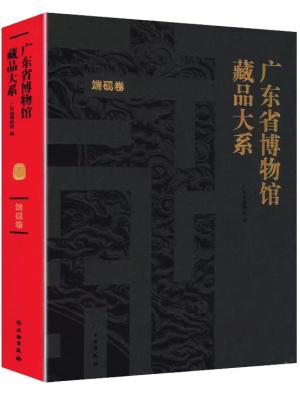
《
广东省博物馆藏品大系 端砚卷
》
售價:NT$
2540
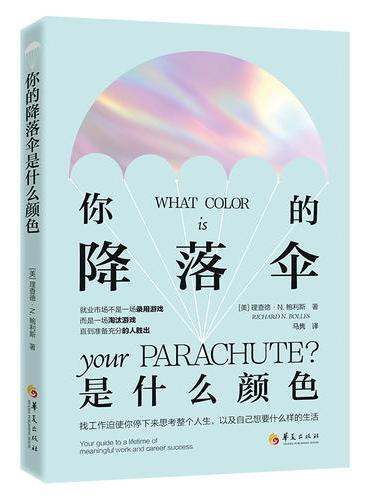
《
你的降落伞是什么颜色:就业市场不是一场录用游戏,而是一场淘汰游戏,直到准备充分的人胜出
》
售價:NT$
383
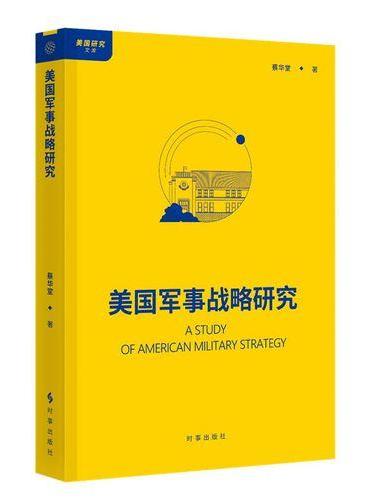
《
美国军事战略研究
》
售價:NT$
857
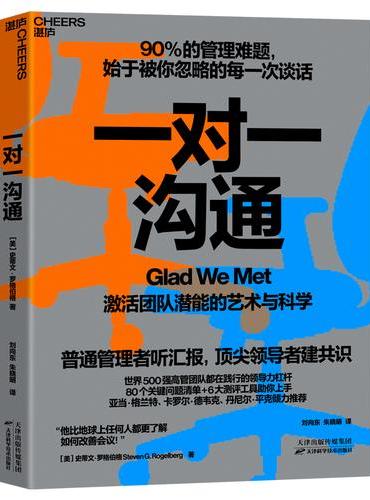
《
一对一沟通
》
售價:NT$
561

《
南海:历史与现实
》
售價:NT$
704
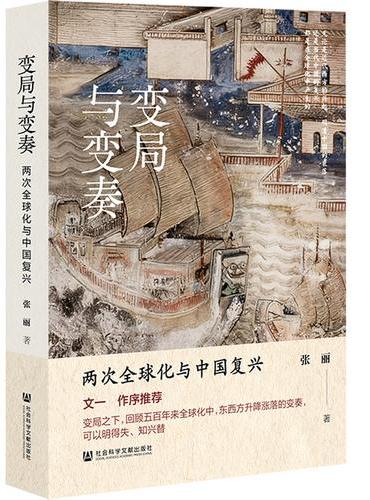
《
变局与变奏:两次全球化与中国复兴
》
售價:NT$
653
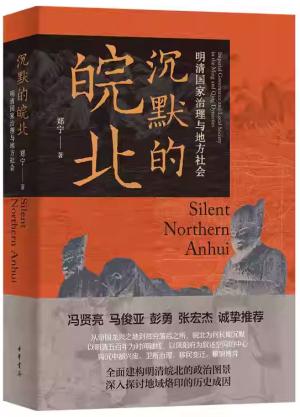
《
沉默的皖北:明清国家治理与地方社会(精)
》
售價:NT$
347
|
| 內容簡介: |
Bamboo is a common perennial plant of the grass family, which can be grown in most regions of China, especially in the southern areas with extensive cultivation. China has over 16 million acres of bamboo forests, with a bamboo reserve exceeding 100 million tons, making it the second-largest forest resource. Bamboo has a wide range of applications, involving over ten sectors and thousands of products. The use of bamboo as a substitute for wood has greatly alleviated the pressure of wood resource scarcity in the country. The bamboo industry in China has reached a production value exceeding 300 billion yuan in 2022, becoming one of the most important industries to the national economy.
Currently, the majority of the bamboo industries are facing issues such as limited varieties, outdated processing technologies, and low production efficiency. Pulp and paper is the industry that utilizes bamboo resources the most, with the largest production value. Developing bamboo pulp and paper will promote the high-quality development of the bamboo industry.
In exploring technological innovations in the bamboo pulp and paper manufacturing, and romote green and efficient development of bamboo pulp and paper industry, the research team Sichuan Technology & Business College undertook the 2021 Science and Technology Project of the Sichuan Science and Technology Department, entitled ”Research on Clean Production Technology of Bamboo Pulp and Papermaking” (2021YFH0105, 2021YFN0052); the 2023 Science and Technology Project of Sichuan Science and Technology Department, entitled ”Research on the Technology of Fiber Utilization of Bamboo Resource” (2023JDGD0032); the Jiebangguashuai Project of Science and Technology Project of Yibin City Sichuan Province (2022JB009, 2022JBOO11); the 6th Batch Innovation and Entrepreneurship Project of Zhengzhou City Henan Province, entitled ”Research and Development of Key Technologies and Equipment for high-yield Bamboo Pulping”; the 2021 Science and Technology Project of Qiannan State of Guizhou Province (21-19). The editing work of this book was funded by these projects. This book covers the structure and characteristics of bamboo, the origin and development of bamboo papermaking, and the process and production technology of modern bamboo pulp and papermaking, aiming to promote the application of bamboo in papermaking processes.
|
| 目錄:
|
Chapter 1 Introduction
References
Chapter 2 Structure and Application of Bamboo
Section 2.1 Overview
2.1.1 The Biological Species of Bamboo
2.1.2 Basic Structure of Bamboos
2.1.3 Characteristics of Bamboo
2.1.4 Bamboo Planting
Section 2.2 Structure of Bamboo Culm
2.2.1 The Macrostructure of Bamboo Culm
2.2.2 The Microstructure of Bamboo Culm
2.2.3 Types and Morphology of Bamboo Cells
2.2.4 Chemical Composition of Bamboo
Section 2.3 Application of Bamboo in China
2.3.1 Food Ingredients
2.3.2 Medicinal Materials
2.3.3 Daily Necessities and Crafts
2.3.4 Building and Furniture Material
2.3.5 Bamboo Flooring
2.3.6 Industrial Material
2.3.7 Bamboo Fibers
2.3.8 Ornamental and Ecological Applications
References
Chapter 3 Bamboo and Paper
Section 3.1 Overview
Section 3.2 Ancient Papermaking Craft and Bamboo Paper in China
3.2.1 Origins of Ancient Papermaking Craft with Bamboo
3.2.2 Development of Ancient Papermaking Craft with Bamboo
3.2.3 The Current Status of Ancient Papermaking Craft with Bamboo
Section 3.3 Industrial Production of Bamboo Paper
References
Chapter 4 Bamboo Pulping
Section 4.1 Collection of Bamboo
4.1.1 Bamboo Characteristics
4.1.2 Bamboo Harvesting
4.1.3 Bamboo Collection
Section 4.2 Preparation of Bamboo for Pulping
4.2.1 Bamboo Storage
4.2.2 Bamboo Material Preparation
4.2.3 Chipping Preparation Process
4.2.4 Bamboo Chip Transportation and Storage
Section 4.3 Chemical Pulping of Bamboo
4.3.1 Definition of Chemical Pulping
4.3.2 Classification of Chemical Pulping
4.3.3 Composition and Properties of Cooking Liquor
4.3.4 Technical Terms of Chemical Pulping
4.3.5 Principles of Chemical Pulping
4.3.6 Cooking Processes
4.3.7 Cooking Equipment
4.3.8 New Technologies in Chemical Pulping
Section 4.4 High Yield Pulping of Bamboo
4.4.1 Methods of High Yield Pulping
4.4.2 Principles of High Yield Pulping
4.4.3 Bamboo High-Yield Pulping
4.4.4 High-Yield Pulping Equipment
4.4.5 Screw Extruders
Section 4.5 Processing of Bamboo Pulp
4.5.1 Pulp Washing
4.5.2 Screening and Cleaning of Pulp
……
Chapter 5 Papermaking with Bamboo Pulp
Look Forward to Future
|
|

 購物車/收銀台(0) | 在線留言板
| 付款方式
| 聯絡我們
| 運費計算
| 幫助中心 |
加入書簽
購物車/收銀台(0) | 在線留言板
| 付款方式
| 聯絡我們
| 運費計算
| 幫助中心 |
加入書簽 HOME
HOME 新書上架
新書上架


