新書推薦:
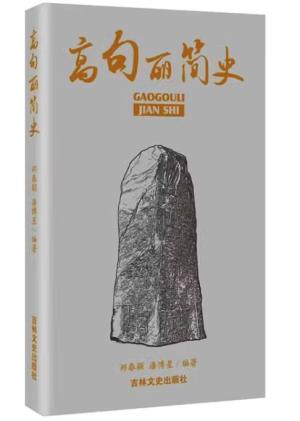
《
高句丽简史
》
售價:NT$
176
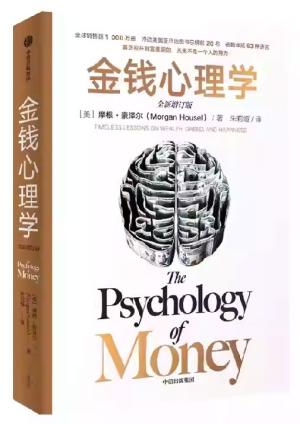
《
金钱心理学 (全新增订版)
》
售價:NT$
300

《
最后一件大事
》
售價:NT$
296
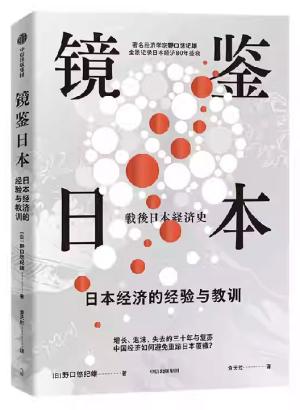
《
镜鉴日本:日本经济的经验与教训
》
售價:NT$
403
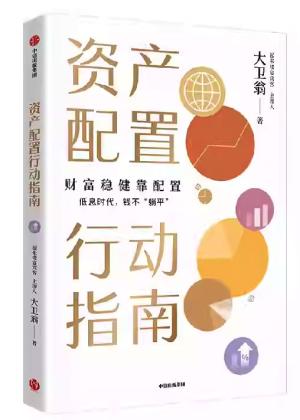
《
资产配置行动指南
》
售價:NT$
296

《
书籍的社会史-中华帝国晚期的书籍与士人文化(第二版)
》
售價:NT$
403

《
活出主体性
》
售價:NT$
352
《
中国城市复兴
》
售價:NT$
653
|
| 編輯推薦: |
|
本书是《语用学导论》第二版。第一版教材受到了广大师生的欢迎,是语言学专业教材,本次再版作者将上一版的不足之处进行了修订。本书全面系统地介绍了语用学相关知识,以期满足初学者学习需求,培养其人文悟性,提升其言语交际能力。全书由引言、指称语、预设、会话含义、言语行为、(不)礼貌、研究方法等七章正文和两个附录组成。每章包含核心概念导入、经典及前沿理论概述、理论嬗变阐释、个案剖析及章节要点回顾等要件。
|
| 內容簡介: |
《语用学导论(第二版)》是《语用学导论》第二版。第一版教材受到了广大师生的欢迎,是语言学专业教材,本次再版作者将上一版的不足之处进行了修订。《语用学导论(第二版)》全面系统地介绍了语用学相关知识,以期满足初学者学习需求,培养其人文悟性,提升其言语交际能力。全书由引言、指称语、预设、会话含义、言语行为、(不)礼貌、研究方法等七章正文和两个附录组成。每章包含核心概念导入、经典及前沿理论概述、理论嬗变阐释、个案剖析及章节要点回顾等要件。
《语用学导论(第二版)》第一版版权已经输出至施普林格出版公司。
|
| 關於作者: |
向明友
----------------------------
对外经济贸易大学教授、博士生导师,英语学院院长,新世纪优秀人才,兼任国家社科基金、人文社科基金评审专家,国家留学基金委评审专家,中国语言教育研究会副会长,中国外语教学研究会ESP专业委员会常务理事,中国语用学研究会理事。
贾勉
----------------------------
美国德克萨斯大学奥斯汀分校“语用学和言语交际学”博士在读,在Lingua,Text&Talk和《外语教学》等期刊发表论文数篇。
卜晓晖
----------------------------
北京大学外国语言学与应用语言学专业毕业,国家奖学金,北京市优秀毕业生等荣誉称号获得者,现就职于深圳市党政机关。
|
| 目錄:
|
Chapter 1Introduction
1.1Definitions of pragmatics
1.2Meaning and context
1.3Development of pragmatics
1.4Organization of the book
1.5Review
Chapter 2Deixis
2.1Preliminaries
2.2Deictic and nondeictic uses
2.3Types of deixis
2.3.1Person deixis
2.3.2Time deixis
2.3.3Place deixis
2.3.4Social deixis
2.3.5Discourse deixis
2.4Applications: Chinese vocatives as pragmatic
markers
2.4.1Introduction
2.4.2Vocatives and coherence
2.4.3Vocatives and involvement
2.4.4Vocatives and (im)politeness
2.5Review
Chapter 3Presupposition
3.1Entailment
3.1.1Preliminaries
3.1.2Types of entailment
3.2Presupposition
3.2.1Preliminaries
3.2.2Types of presupposition
3.2.3Properties of presupposition
3.2.4Presupposition trigger
3.3A comparison between entailment and
presupposition
3.4Applications: Entailment and presupposition
in real life
3.4.1English writing
3.4.2Interpersonal communication
3.5Review
Chapter 4Implicature
4.1Preliminaries
4.1.1Natural and nonnatural meaning
4.1.2Implicature and implication
4.2Types of implicature
4.2.1Conversational and conventional
implicatures
4.2.2Generalized and particularized conversational
implicatures
4.2.3Scalar, alternate, and clausal implicatures
4.3Classic Gricean Theory
4.3.1Cooperative principle
4.3.2Creation of conversational implicature
4.3.3Criticisms of Gricean theory
4.4NeoGricean and PostGricean Theories
4.4.1Levinson’s Q, I, and MPrinciples
4.4.2Horn’s Q and RPrinciples
4.4.3Sperber & Wilson’s Principle of Relevance
4.4.4Retrospections
4.5Properties of conversational implicature
4.6Applications: Exploiting the four Maxims in
Friends
4.6.1Exploiting the Maxim of Quantity
4.6.2Exploiting the Maxim of Quality
4.6.3Exploiting the Maxim of Relation
4.6.4Exploiting the Maxim of Manner
4.7Review
Chapter 5Speech Acts
5.1Preliminaries
5.1.1Performativeconstative dichotomy
5.1.2The performative hypothesis
5.2Austin’s theorizing of speech acts
5.2.1Felicity conditions on performatives
5.2.2Locutionary, illocutionary, and perlocutionary
acts
5.2.3Types of illocutionary force
5.3Searle’s theorizing of speech acts
5.3.1Felicity conditions on speech acts
5.3.2Typology of speech acts
5.3.3Direct and indirect speech acts
5.4Recent developments in Speech Act Theory
5.4.1Study of perlocution
5.4.2Classifications of speech acts
5.4.3Sequencing in speech acts
5.5Speech acts across cultures and contexts
5.5.1Crosscultural variations
5.5.2Intralanguage variations
5.6Applications: Persuasion in Chinese online forum
requests
5.6.1Introduction
5.6.2Ethos: Projecting self to the requestees
5.6.3Pathos: Awakening the emotion of the
requestees
5.6.4Logos: Reasoning with the requestees
5.7Review
Chapter 6Politeness and Impoliteness
6.1Theorizing politeness
6.1.1Characterizing politeness
6.1.2Politeness as strategic face management
6.1.3Politeness as a conversational maxim
6.1.4Politeness as situated evaluation
6.2Theorizing impoliteness
6.2.1Types of impoliteness
6.2.2Impoliteness as strategic face attacks
6.2.3Impoliteness as conversational maxims
6.2.4Impoliteness as a discursive practice
6.3Some potential issues in (im)politeness
research
6.4Applications: Politeness in online forum
requests
6.4.1Introduction
6.4.2Bald on record strategies
6.4.3Positive politeness strategies
6.4.4Negative politeness strategies
6.5Review
Chapter 7Research Methods
7.1Literature mining
7.1.1Four types of exigences
7.1.2Review articles and bibliographies
7.1.3Search engines and databases
7.1.4Bibliometric analysis and knowledge
visualization
7.2Data collection
7.2.1Interviews
7.2.2Questionnaires
7.2.3Discourse completion tests
7.2.4Role plays
7.2.5Recordings
7.2.6Trending methods
7.3Analytical methods
7.3.1Conversation analysis and discourse
analysis
7.3.2Statistical analysis
7.4Review
References
Appendix One Resources
Appendix Two Research Notes
|
|

 購物車/收銀台(0) | 在線留言板
| 付款方式
| 聯絡我們
| 運費計算
| 幫助中心 |
加入書簽
購物車/收銀台(0) | 在線留言板
| 付款方式
| 聯絡我們
| 運費計算
| 幫助中心 |
加入書簽 HOME
HOME 新書上架
新書上架


