新書推薦:
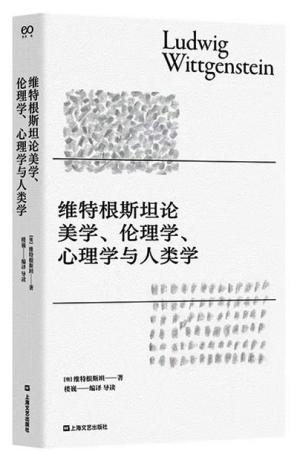
《
维特根斯坦论美学、伦理学、心理学与人类学
》
售價:NT$
319
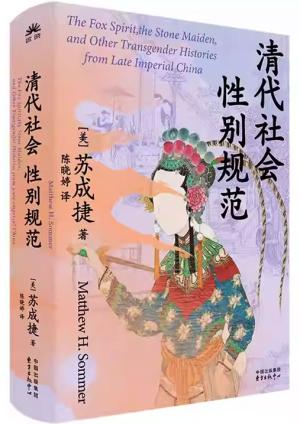
《
清代社会性别规范(2025年费正清奖,晚期帝制中国性别跨越故事诸相)
》
售價:NT$
484
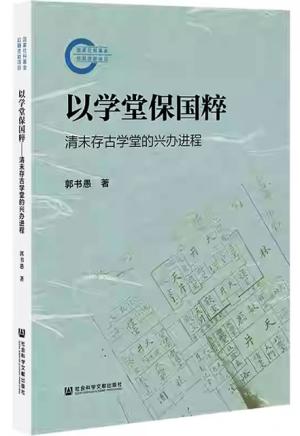
《
以学堂保国粹:清末存古学堂的兴办进程
》
售價:NT$
539

《
宋时飞花
》
售價:NT$
347
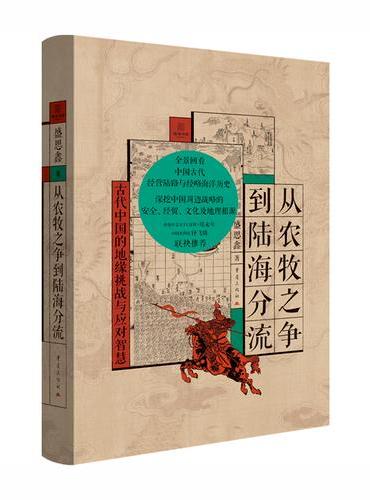
《
从农牧之争到陆海分流 陆海书系地缘政治
》
售價:NT$
347
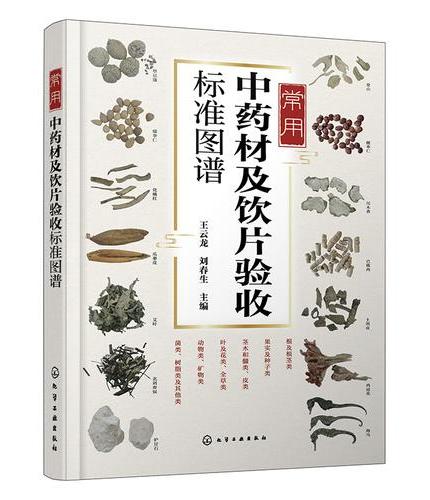
《
常用中药材及饮片验收标准图谱
》
售價:NT$
1010
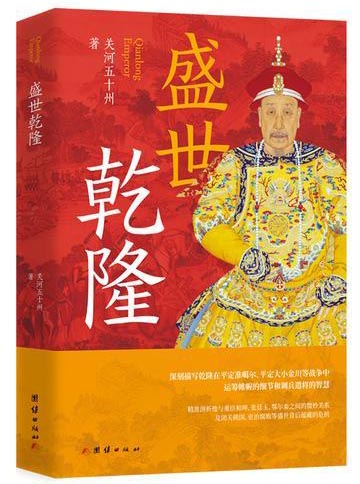
《
盛世乾隆
》
售價:NT$
398
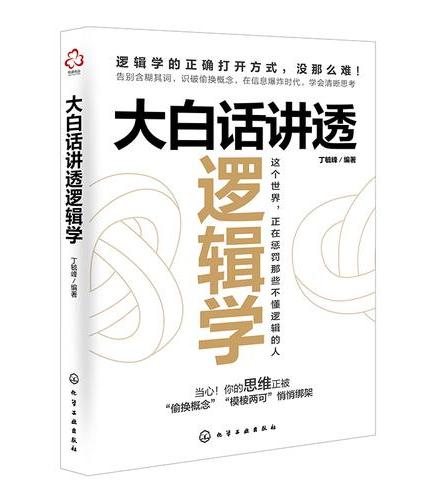
《
大白话讲透逻辑学
》
售價:NT$
265
|
| 內容簡介: |
|
Medical Immunology mainly studies the composition and function of the human immune system, the effect and rule of immune response activities, the diseases caused by abnormal immune function and their mechanisms, and the immunological methods and measures that can be applied to prevent and treat diseases. The book consists of 21 chapters, including: Overview of Immunology, Immune Organs, Antigens, Immunoglobulin, Complement System, Cytokines, Major histocompatibility Complex, Leukocyte Differentiation Antigens and Adhesion Molecules, Innate Immunity, Antigen Presenting Cells and Antigen Presenting, T cell Recognition and Response, B cell Recognition and Response, Immune Tolerance, Immune Regulation, Hypersensitivity, Autoimmune Diseases, Immune deficiency Diseases, Tumor immunity, Transplantation immunity, Immune prevention and treatment, and Traditional Chinese medicine and Immunity. This book not only covers the classic knowledge of this discipline, but also integrates new knowledge, new technology and new progress. It is scientific and advanced, in line with the characteristics of rapid development of this discipline. It can not only reflect the mainstream thought of this discipline, but also intergrate the academic frontier progress. It can be used as a teaching material for international students and undergraduate students in English and bilingual courses. We hope this book will be found by readers a clear, cogent, manageable and enjoyed book.
|
| 目錄:
|
Chapter 1Overview of Immunology
1.1 Basic Functions of the Immune System
1.2 Innate and Adaptive Immunity
1.3 Immunopathology
1.4 A Brief History of Immunology
Chapter 2Lymphoid Tissues and Organs
2.1 Introduction
2.2 Primary Lymphoid Organs
2.3 Secondary Lymphoid Organs
2.4 Lymphocyte Homing and Lymphocyte Recirculation
Chapter 3Antigens
3.1 Antigenic Specificity
3.2 Determinants of Immune Response
3.3 Types of Antigen
3.4 Nonspecific Immune Stimulants
Chapter 4Immunoglobulins
4.1 Basic Structure of Immunoglobulin
4.2 Heterogeneity of Immunoglobulins
4.3 Hydrolyzed Fragments of Immunoglobulin
4.4 Main Biological Activity of Immunoglobulins
4.5 Characteristics of Different Class of Immunoglobulins
4.6 Artificially Prepared Antibodies
Chapter 5Complement System
5.1 Components of Complement System
5.2 Synthesis of Complement
5.3 Activation of Complement
5.4 Regulation of Complement Activity
5.5 Diverse Functions of Complement
5.6 Complement Deficiencies
Chapter 6Cytokines
6.1 General Properties of Cytokines and Chemokines
6.2 Functions of Cytokines and Chemokines
6.3 Cytokine and Chemokine Receptors
6.4 Six Families of Cytokines and Associated Receptor Molecules
6.5 Chemokines Direct the Migration of Leukocytes Through the Body
Chapter 7The Major Histocompatibility Complex
7.1 HLA Complex
7.2 Nomenclature, Expression Patterns, and Inheritance of HLA
7.3 HLA and Clinical Medicine
Chapter 8Leukocyte Differentiation Antigen and Adhesion Molecules
8.1 Introduction
8.2 The Biological Functions and Application in Clinic of CD Molecules
Chapter 9Innate Immunity
9.1 Defensive Line of Innate Immunity
9.2 Once the Initial Response Barriers Are Breached
9.3 The Concept of Pattern Recognition
Chapter 10Antigen Presenting Cells and Antigen Presentation
10.1 Antigen Presenting Cells and Their Classification
10.2 Professional APC
10.3 Antigen Processing and Antigen Presentation
Chapter 11T Cells Recognitions and Responses of Antigens
11.1 T Cell Subsets
11.2 T Cells Recognitions
11.3 Activation, Proliferation and Differentiation of T Cells
11.4 Function of Effector T Cells
Chapter 12B Cells Recognitions and Responses of Antigens
12.1 The Differentiation and Development of B Cells
12.2 The Major Surface Molecules on B Cells
12.3 B Cell Subsets and Their Function
12.4 The Immune Response of B Cells to TD Antigen
12.5 The Immune Response of B Cells to TI Antigen
12.6 The Feature of Antibodies Produced by Primary and Secondary Response
Chapter 13Immune Tolerance
13.1 Formation and Maintenance of Immune Tolerance
13.2 Formation and Maintenance Mechanism of Immune Tolerance
13.3 Immune Tolerance and Medicine
Chapter 14Immune Regulation
14.1 Molecular Level Immune Regulation
14.2 Immune Regulation of Immune Cells
14.3 Immune Regulation of Human System and Group
Chapter 15Hypersensitivity
15.1 Immediate (Type I) Hypersensitivity
15.2 Antibody Mediated Cytotoxic (Type Ⅱ) Hypersensitivity
15.3 Immune Complex Mediated (Type Ⅲ) Hypersensitivity
15.4 Delayed Type (Type Ⅳ) Hypersensitivity
Chapter 16Autoimmune Diseases
16.1 Inducing Factors of Autoimmune Diseases
16.2 Pathological Damage Mechanism of Autoimmune Diseases
16.3 Principles of Prevention and Treatment of Autoimmune Diseases
Chapter 17Immunodeficiency Diseases
17.1 Primary Immunodeficiency Diseases(PIDD)
17.2 Secondary Immunodeficiency Diseases(SIDD)
17.3 Treatment Principles of Immunodeficiency Diseases
Chapter 18Tumor Immunology
18.1 Tumor Antigens
18.2 Immune Response to Tumor
18.3 Immunoediting
18.4 Immunodiagnosis, Immunotherapy, Immunoprevention for Tumors
Chapter 19Transplantation Immunology
19.1 Mechanism of Rejection of Allograft Organ Transplantation
19.2 Types of Graft Rejection
19.3 Principles of Prevention and Treatment of Graft Rejection
Chapter 20Immunoprevention and Immunotherapy
20.1 Immunoprevention
20.2 Immunotherapy
Chapter 21Traditional Chinese Medicine (TCM) and Immunity
21.1 The Evil Qi of TCM and Immunity
21.2 Basic Theory of TCM and Immunity
21.3 Advance on Immunotherapy of TCM
|
|

 購物車/收銀台(0) | 在線留言板
| 付款方式
| 聯絡我們
| 運費計算
| 幫助中心 |
加入書簽
購物車/收銀台(0) | 在線留言板
| 付款方式
| 聯絡我們
| 運費計算
| 幫助中心 |
加入書簽 HOME
HOME 新書上架
新書上架

