新書推薦:

《
棉花王国 密西西比河流域的奴隶制与资本主义 (一部改写美国奴隶制认知的史学佳作)
》
售價:NT$
602

《
历史哲学 一部关于世界文明 理性与历史的终极思考
》
售價:NT$
505

《
诡舍6完结篇蔽日开天
》
售價:NT$
254
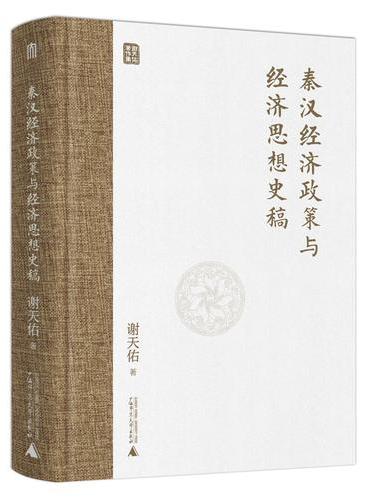
《
大学问·秦汉经济政策与经济思想史稿(jue版好书复活,读懂秦汉,就是读懂中国两千年的经济底色。)
》
售價:NT$
454

《
狄仁杰与武则天 武周革命与平民官僚的崛起 钤印版 汗青堂丛书163
》
售價:NT$
449

《
自恋主义文化
》
售價:NT$
398

《
我是异类,你是怪物
》
售價:NT$
301

《
深夜的恋人们
》
售價:NT$
332
|
| 內容簡介: |
《能源电力企业碳中和技术与管理》主要介绍了能源电力行业碳中和的背景与意义, 阐述了能源电力企业实现碳中和的战略与路径、我国能源电力企业发电技术的现状、碳中和带来的挑战与机遇以及低碳技术转型的方向。书中进一步探讨了传统节能减排技术、可再生能源发电技术、核能发电供热一体化技术、储能技术、氢能供应链及氢能利用等内容,阐明了能源电力企业的发电体系,解释了新型电力系统、能源互联网、“源-网-荷-储” 运营模式等新兴概念。最后,本书还对能源电力企业碳中和技术未来的发展进行了展望,介绍了实现净零排放的关键技术,如碳捕集、利用与封存(CCUS)技术, 数字技术的发展及生命周期分析方法等。
本书可作为高等院校新能源、电力工程等相关专业的教材使用,还可为企业提供具体的节能减排建议,作为能源电力行业极具价值的培训教材。
Carbon Neutrality Technology and Management of Energy and Power Enterprises delves into the background and significance of carbon neutrality within the energy and power sector. It outlines strategies and pathways for energy and power enterprises to achieve carbon neutrality,examining the current state of power generation technology in China,detailing the challenges and opportuni- ties presented by carbon neutrality,and exploring the direction of low-carbon technological transi- tions. The book further explores conventional energy conservation and emission reduction technol- ogies,renewable energy power generation,integrated nuclear power generation and heating tech- nologies,energy storage technologies,hydrogen supply chains,and utilization of hydrogen ener- gy. It elucidates the power generation systems of energy and power enterprises,elucidating novel concepts like novel power systems,energy internet,and the source-grid-load-storage operational model. Lastly,the book forecasts the evolution of carbon neutrality technologies for energy and power enterprises,illustrating pivotal technologies for net-zero emissions such as carbon capture,utilization,and storage ( CCUS), advancements in digital technology, and lifecycle analysis methodologies.
This book is suitable as a textbook for students majoring in renewable energy,electrical pow- er,and related fields in higher education institutions.Moreover,it offers concrete advice on ener- gy conservation and emission reduction for enterprises,thereby functioning as a valuable training resource for the energy and power sector.
|
| 關於作者: |
|
邵婧,主持多项科研项目,包括国家自然科学基金青年项目一项、陕西省软科学项目两项、陕西省社会科学项目一项等。本人已在此研究方向发表论文20余篇,发表国际杂志论文12篇、国际会议论文11篇。其中,发表在国际同行评审期刊JournalofCleanerProduction(影响因子:6.4,SCI一区TOP)的6篇论文被SSCI收录,2篇发表在ABS3星期刊BusinessStrategyandtheEnvironment(影响因子:6.4,其中1篇为独作,1篇为通讯作者),被SSCI收录。EI收录4篇,CPCI收录2篇,ISTP收录国际会议论文2篇,会议AOM收录1篇,会议POMS收录2篇。现担任国家自然科学基金委同行评审专家,清洁生产杂志特刊编辑,中国系统工程学会可持续运营分会理事。近五年与本选题相关的主要教学经历如下(包括授课对象、起止时间、授课名称、授课学时):1.本科生课(2023.3-2023.4)企业高质量发展6/362.本科生课(2018.9-2019.1)生产运作与管理48/483.本科生课(2020.2-2020.5、2021.2-2021.5、2022.2-2022.5)生产运作与管理(英)48/484.研究生课(2019.9-2020.1、2020.9-2021.1、2021.9-2022.1、2022.9-2023.1)生产运作与管理(英)36/36。
|
| 目錄:
|
Chapter 1 Introduction to Carbon Neutrality Management for Energy and Power Enterprises 1
1.1 What is Carbon Neutrality 3
1.1.1 Realistic Background of Carbon Neutrality 3
1.1.2 Theoretical Foundations of Carbon Neutrality 8
1.1.3 An Overview of Carbon Neutrality Policies 9
1.1.4 Incentive of Carbon Neutrality Policies 12
1.2 What is Corporate Social Responsibility 14
1.2.1 Corporate Social Responsibility Overview 14
1.2.2 Motivators for Enterprises to Fulfill CSR 17
1.2.3 Factors Influencing Carbon Neutrality Implementation by Enterprises 19
1.2.4 Two Categories of Standards for Enterprise Carbon Neutrality 20
1.3 Carbon Neutrality Policies of Energy and Power Enterprises 23
1.3.1 Policies for Coal-fired (Thermal) Power Generation Sector 24
1.3.2 Hydropower Industry Policies 28
1.3.3 Nuclear Power Industry Policies 30
1.3.4 New Energy Industry Policies 31
1.3.5 Hydrogen Energy Industry Policies 35
1.4 Outlook on Carbon Neutrality Management for Energy and Power Enterprises 38
1.4.1 Advances in Carbon Neutrality Technologies for Energy and Power Enterprises 38
1.4.2 Digitally Enabled Pathways to Carbon Neutrality 48
1.4.3 Significance of Carbon Neutrality Management 50
Chapter 2 Formulating Carbon Neutrality Strategies for Energy and Power Enterprises and Roadmaps 53
2.1 National Energy Strategies and Pathways to Carbon Neutrality 53
2.1.1 National Energy Strategies 53
2.1.2 Approaches for China s Energy System to Achieving Carbon Neutrality 57
2.2 Enterprise Pathways for Carbon Neutrality 59
2.3 Carbon Emission Permit Trading Market 62
2.3.1 Economic Underpinnings of Carbon Emission Permit Trading 62
2.3.2 Evolutionary Timeline of Carbon Emission Permit Trading 69
2.3.3 China s Carbon Emission Permit Trading System 71
2.3.4 Operating and Managing Carbon Markets for Energy and Power Enterprises 81
Chapter 3 Transformation of Power Generation Technologies in Energy and Power Companies 92
3.1 Overview of China s Power Generation Technologies 93
3.1.1 Coal-fired Power Generation 95
3.1.2 Hydropower 96
3.1.3 Nuclear Power 97
3.1.4 Solar Energy 98
3.1.5 Wind Energy 99
3.1.6 Biomass Energy 100
3.1.7 Future Hydrogen Energy 103
3.2 Carbon Neutrality in the Energy and Power Sector 108
3.2.1 Electricity Demand under Carbon Neutrality 109
3.2.2 Development of Our Electricity Market 112
3.2.3 Effective Measures for a Low-carbon Electricity Transition 113
3.3 Challenges and Opportunities for Carbon Neutrality 116
3.3.1 Strife Between Technological Advancements and Energy Supply 117
3.3.2 Reconciliation of Energy Storage with Renewable Energy 118
3.3.3 Challenges Posed by Nuclear Energy 120
3.3.4 Challenges Posed by Hydrogen Energy 122
3.4 Low-carbon Transformation Technology for Energy and Power Enterprises 123
3.4.1 Energy Conservation and Emission Reduction Technology of Coal Power Generation 125
3.4.2 Energy Storage Technology 127
3.4.3 Energy Internet 129
3.4.4 Hydrogen-power Integration 132
Chapter 4 Energy Conservation and Emission Reduction Technologies of Traditional Energy Sources 138
4.1 Traditional Energy Consumption and Carbon Emission Reduction 139
4.2 Pathways to Energy Consumption and Carbon Reduction in Thermal Power Plants 140
4.2.1 Emission Reduction of Boiler 142
4.2.2 Emission Reduction of Steam Turbine 144
4.2.3 Emission Reduction of Electrical System 145
4.3 Pollutant Reduction Technologies for Thermal Power Plants 146
4.3.1 Ultra-low Emission Control Technology for Flue Dust 146
4.3.2 Flue Gas Desulfurization Control Technology 147
4.3.3 Nitrogen Oxide Emission Control Technology 147
4.4 New High Efficiency and Energy-saving Thermal Power Generation Technology 148
4.4.1 Above Critical and Ultra-supercritical Power Generation Technology 148
4.4.2 IGCC Power Generation Technologies 149
4.4.3 Natural Draft Air Cooled Condenser Technology 150
Chapter 5 Power Generation Technologies of New Energy Resources 153
5.1 Overview of New Energy 153
5.1.1 Definition and Classification of New Energy 153
5.1.2 Current Development of New Energy in China 155
5.2 Overview of Power Generation Technologies of New Energy 157
5.2.1 Wind Power Generation Technology 157
5.2.2 Solar Power Generation Technology 161
5.2.3 Biomass Energy Power Generation Technology 169
5.2.4 Geothermal Power Generation Technology 173
5.2.5 Other New Energy Power Generation Technologies 177
5.3 Outlook on New Energy Power Generation Technologies 179
Chapter 6 Hydrogen Power Generation Technologies 182
6.1 Overview of Hydrogen Energy 183
6.1.1 Hydrogen Element 183
6.1.2 Characteristics of Hydrogen Energy 183
6.2 Hydrogen Industry Chain 184
6.2.1 Hydrogen Production 184
6.2.2 Hydrogen Transport 185
6.2.3 Hydrogen Storage 186
6.2.4 Hydrogen Utilization 187
6.3 Hydrogen Economy 188
6.4 Hydrogen Power Generation Technology and Its Difficulties 189
Chapter 7 Integrated Nuclear Power Generation and Heat Supply Technologies and Energy Storage Technologies 191
7.1 Overview of Nuclear Power Generation 192
7.1.1 Principles of Nuclear Power Generation 192
7.1.2 Nuclear Reactors 193
7.1.3 Characteristics of Nuclear Power Generation 195
7.1.4 Nuclear Power Generation Systems and Their Challenges 196
7.2 Nuclear Heating Technology 197
7.2.1 Single Nuclear Energy Heating Method 197
7.2.2 Cogeneration Heating Method 197
7.2.3 Challenges Facing Nuclear Energy Heating Technology 197
7.3 Security of Nuclear Energy 198
7.3.1 Nuclear Energy Security Risks 198
7.3.2 Ethical Principles for Nuclear Energy Security 199
7.4 Energy Storage Technologies 201
7.4.1 Overview of Energy Storage Technologies 201
7.4.2 Classification of Energy Storage Technologies 201
7.4.3 Application of Energy Storage Technology in Smart Grids 204
Chapter 8 Power Generation System of Energy and Power Companies 207
8.1 New Power Systems 208
8.1.1 Definition and Historical Development of Power Systems 208
8.1.2 Characteristics of New Power Systems 210
8.1.3 Construction and Development of New Power Systems 214
8.2 Energy Internet Intelligent Systems 215
8.2.1 Smart Grid Overview 215
8.2.2 Overview of Energy Internet 218
8.2.3 “Source-Grid-Load-Storage” Operation Model 221
8.3 Multi-complementary Integrated Energy Generation System 226
8.3.1 Definition of Complementary Power Generation Technologies 226
8.3.2 Complementary Modes of Power Generation 227
Chapter 9 The Development of Carbon Neutrality Technology in Energy and Power Enterprises 234
9.1 Carbon Capture, Utilization, and Storage 235
9.1.1 Overview of CCUS Technology 235
9.1.2 CCUS Technology Risks 239
9.2 Application of Digital Technology in Carbon Neutrality 242
9.2.1 Overview of the Digital Economy 242
9.2.2 Digital Technologies in Carbon Neutrality 246
9.2.3 Directions for the Digital Economy 249
9.3 Lifecycle Analysis Methodology 250
9.3.1 Lifecycle Theory and Concepts 250
9.3.2 Lifecycle Carbon Cost Analysis 252
References 258
|
| 內容試閱:
|
A government report in 2022 suggested actively and prudently advancing efforts towards carbon peaking and carbon neutrality.Carbon peaking and carbon neutrality constitute a comprehensive,far-reaching transformation of the socio-economic system. Grounded in China??s endowment of energy resources,we adhere to a strategy of establishing new systems before eliminating old ones,systematically and progressively implementing actions toward carbon peaking.The refinement of total energy consumption and intensity control mechanisms is underway,with a primary focus on curbing fossil fuel consumption, gradually transitioning to a dual-control system targeting both carbon emissions volume and intensity.The promotion of clean,low-carbon,and efficient energy usage is underway,driving the clean,low-carbon transformation in industries,construction,and transportation sectors.Advancing the energy revolution relentlessly,we emphasize the clean and efficient use of coal,intensify exploration,development,and reserve enhancement and production of oil and gas resources,and accelerate the planning and construction of a novel energy system.We balance hydropower development with ecological conservation, pursue the safe and orderly expansion of nuclear power,and strengthen the entire energy production-sales-storage-supply system,thus ensuring energy security.Improving the carbon emission statistics and accounting system, and refining carbon emission permit market trading mechanisms are priorities.We also endeavor to enhance the carbon sequestration capacity of the ecosystem.China actively engages in global climate governance to address climate change.The report succinctly outlines our nation‘s guiding principles, fundamental tenets,and pivotal measures for achieving carbon peaking and carbon neutrality objectives,reinforcing our commitment to realizing these objectives and charting a decarbonization pathway tailored to China’s unique national context.
Shouldering 30% of global manufacturing,China faces heightened pressures to attain carbon peaking and carbon neutrality within the international consensus of ecological environment protection.Constrained by China‘s endowment of energy resources,the objective reality is that the country’s energy mix is primarily coal-based and its power generation is heavily reliant on coal-fired plants.As a crucial infrastructure industry and public service in modern society,the energy and power sector is not only a major source of carbon emissions but also a pivotal arena for carbon reduction efforts.Hence,the green and lowcarbon transformation of this sector is fundamental to achieving the nationwide carbon peaking and carbon neutrality objectives.
Since the articulation of these carbon peaking and carbon neutrality objectives,a multitude of scholars and corporate stakeholders have directed their attention to understanding how enterprises can establish emission reduction objectives,execute mitigation strategies, and accomplish a low-carbon transformation within the context of the carbon peaking and carbon neutrality initiative.A significant portion of the research is grounded in the recognition of Chinas fundamental national condition,which is characterized by a predominant reliance on coal,concentrating on charting the course and development pathways for energy and power enterprises.However,with the continuous rollout of new policies and the rapid advancement of technology,the majority of existing literature and research fail to encompass the latest research findings and development trends,leaving a gap in knowledge regarding the critical technologies that are central to the transformation of power enterprises.
This textbook will be meticulously centered on the latest policies and technologies empowering power enterprises to achieve carbon neutrality.By delving into the concepts, development,and future trajectories of these policies and technologies,it extends comprehension through case studies and illustrative diagrams,fostering advanced analytical thinking within the domain.Originating from the perspective of practical implementation techniques and pathways to carbon neutrality,the textbook aims to equip professionals managing carbon neutrality,related enterprises,and academic researchers in the field with cutting-edge research findings and management practices for the transformation of power enterprises.
This book is primarily edited by Shao Jing,Li Liangxing,and Ye Yuqing,with significant contributions from co-editors Yu Wenshan,Zhao Jiayuan,Wang Wenjie,and Wang Jiaxi.
To ensure the successful publication of this work,esteemed experts from specialized fields have provided their expertise,notably professor Jia Ming‘s team from the School of Management at Northwestern Polytechnical University,and Professor Li Liangxing’s team from the School of Energy and Power Engineering at Xian Jiaotong University,who have made excellent contributions to the publication. We extend our heartfelt gratitude to all the aforementioned individuals!
Given the constraints of time and our capabilities,omissions or inaccuracies may have inadvertently crept into the text.We warmly welcome feedback and corrections from our readers.
Authors
July 2025
|
|

 購物車/收銀台(0) | 在線留言板
| 付款方式
| 聯絡我們
| 運費計算
| 幫助中心 |
加入書簽
購物車/收銀台(0) | 在線留言板
| 付款方式
| 聯絡我們
| 運費計算
| 幫助中心 |
加入書簽 HOME
HOME 新書上架
新書上架


