新書推薦:

《
幸福家庭的法律密码
》
售價:NT$
347
《
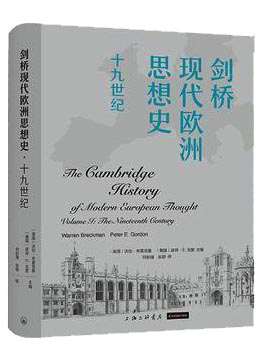
剑桥现代欧洲思想史·十九世纪
》
售價:NT$
607
《
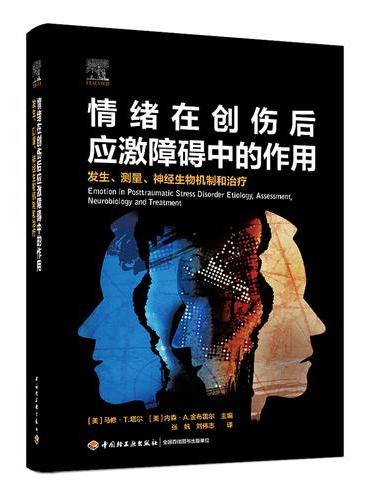
情绪在创伤后应激障碍中的作用:发生、测量、神经生物机制和治疗
》
售價:NT$
653
《
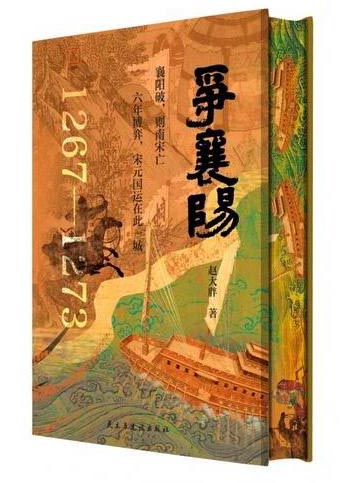
争襄阳:宋元国运之战
》
售價:NT$
449

《
不可思议的国度 日本动画电影80年
》
售價:NT$
959

《
经纬度丛书·荷兰帝国史:海上霸主的衰落
》
售價:NT$
398
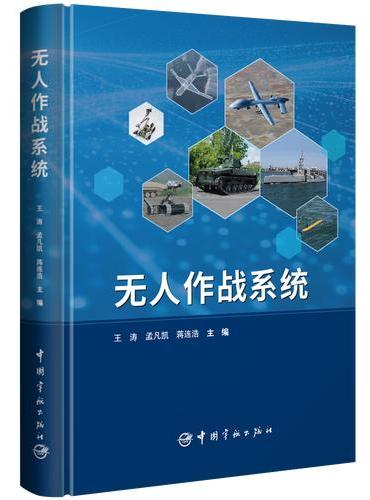
《
无人作战系统
》
售價:NT$
500

《
幼儿园美工区环境创设与活动指导
》
售價:NT$
367
|
| 編輯推薦: |
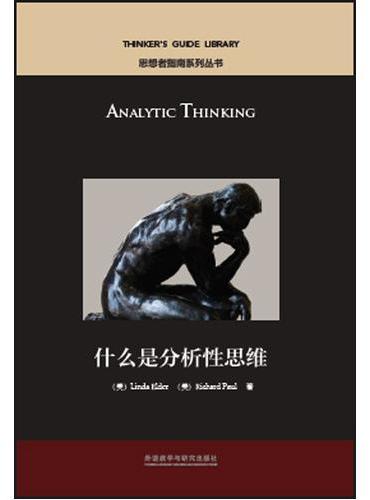
《什么是分析性思维》为思想者指南系列丛书中的一本,属于该系列当中的基础篇,是读者学习后续内
容,提升思辨能力的必读型基础读物。《什么是分析性思维》的主要内容为介绍分析性思维的概念、作用及如何进
行分析性思维,帮助读者能够科学地、有效地进行思辨性思考。
|
| 內容簡介: |
|
《什么是分析性思维》为思想者指南系列丛书中的一本,属于该系列当中的基础篇,是读者学习后续内容,提升思辨能力的必读型基础读物。《什么是分析性思维》的主要内容为介绍分析性思维的概念、作用及如何进行分析性思维,帮助读者能够科学地、有效地进行思辨性思考。
|
| 關於作者: |
|
Linda Elder:教育心理学专家、思辨研究专家,在美国多所大学任教,主要教授课程为教育心理学、思辨能力培养;思辨研究协会会长、思辨中心执行主任。Richard Paul:思辨研究专家,国际思辨研究运动主要负责人,已发表200余篇与思辨研究相关的论文、出版7部论述思辨研究的著作。
|
| 目錄:
|
Part I: Understanding the Basic Theory of Analysis........................1
This section provides the foundational theory essential to analysis. It delineates the eight basic
structures present in all thinking.
Why a Guide on Analytic Thinking?..........1
Why the Analysis of Thinking Is Important..........2
To Analyze Thinking We Must Learn to Identify and Question Its Elemental Structures.........4
To Evaluate Thinking, We Must Understand and Apply Intellectual Standards..........5
35 Dimensions of Critical Thought..........7
A Checklist for Reasoning..........9
Part 2: Getting StartedSome First Steps. ..........11
This section enumerates the most important foundational moves in analysis.
Think About Purpose..........11
State the Question..........12
Gather Information..........13
Watch Your Inferences..........14
Check Your Assumptions..........15
Clarify Your Concepts..........16
Understand Your Point of View..........17
Think Through the Implications..........18
Part 3: Using Analysis to Figure Out the Logic of Anything..........19
This section provides a range of sample analyses as well as templates for analysis.
The Figuring Mind...........19
Figuring Out the Logic of Things..........20
Analyzing Problems..........23
Analyzing the Logic of an Article, Essay or Chapter..........25
Analyzing the Logic of a Textbook..........29
Evaluating an Author''s Reasoning..........30
Analyzing the Logic of a Subject..........31
Part 4: Taking Your Understanding to a Deeper level..........40
This section explains the elements more comprehensively, differentiating skilled from unskilled
reasoners.
Analyzing and Assessing..........40
Distinguishing Between Inferences and Assumptions..........48
Conclusion..........50
|
|

 購物車/收銀台(0) | 在線留言板
| 付款方式
| 聯絡我們
| 運費計算
| 幫助中心 |
加入書簽
購物車/收銀台(0) | 在線留言板
| 付款方式
| 聯絡我們
| 運費計算
| 幫助中心 |
加入書簽 HOME
HOME 新書上架
新書上架