新書推薦:

《
百年星辰:寻找现代中国的大师
》
售價:NT$
500

《
情绪的真相:关于情绪的内在力量
》
售價:NT$
347

《
偷偷啃月亮
》
售價:NT$
234
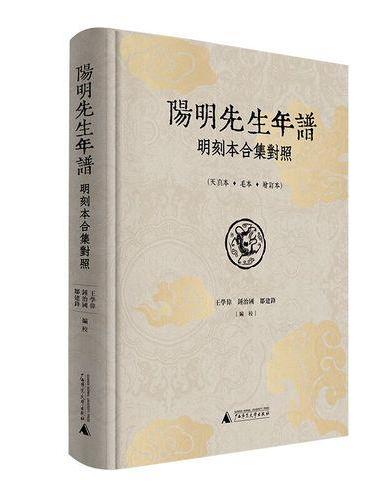
《
《阳明先生年谱》明刻本合集对照
》
售價:NT$
653

《
女人30+,养气血、调脾胃、防衰老(北京卫视《养生堂》《我是大医生》特邀中医养生专家第七批名老中医沈
》
售價:NT$
286

《
征服新世界:西班牙全球帝国之路,1493—1898
》
售價:NT$
449

《
不纠结了 摆脱选择焦虑的极简法则 高敏感、优柔寡断、总陷入选择内耗的 纠结星人 自救指南
》
售價:NT$
254

《
当战争来敲门(牛津二战史,耶鲁、剑桥大学教授推荐)
》
售價:NT$
449
|
| 內容簡介: |
|
本书系统介绍了东南亚国家的地理、历史、经济多样性及主要产业发展情况,重点分析了东盟内部贸易与对外贸易的特点,区域经济一体化的进程与面临的挑战,并较深入地探讨了东南亚国家的财政与金融政策。本书兼具基础性与专业性,可作为了解东南亚经贸领域的入门书或参考资料。
|
| 關於作者: |
|
李隽,经济学博士,云南大学经济学院国际经济系教师。2015年10月至2016年10月,美国罗格斯新泽西州立大学访问学者;2019年9月至2020年9月,赴联合国粮农组织(FAO)总部任访问专家。主要研究方向为东南亚经济与贸易,著有《中缅经济走廊史略》(云南人民出版社2025年版),参与编写《意大利农业》(中国农业出版社2021年版),主持多项科研项目,发表多篇学术论文。在教学方面,曾荣获全国高校教师教学创新大赛一等奖和教学学术创新奖。
|
| 目錄:
|
Chapter 1 Geography and History of Southeast Asian Countries
1.1 Brief Introduction of Southeast Asia
1.2 Basic Information of Each Southeast Asian Country
1.3 The Similarities and Differences among Southeast Asian Countries
1.4 Potential Challenges to the Region
Chapter 2 Diversity in the Economics of Southeast Asian Countries
2.1 Differences in per Capita Income
2.2 Differences in Growth Rates
2.3 GDP Share of Major Group of Economic Sectors
2.4 Labor Force Composition
2.5 Human Resources Development
Chapter 3 Agriculture Development
3.1 Rice Farming
3.2 Plantation Crops Farming
Chapter 4 Industrialization
4.1 Basic Concepts
4.2 Major Manufacturing Sectors in Southeast Asia
4.3 Policies Toward Manufacturing
4.4 Industry 4.0 Plans, Actions and Policy Options
4.5 Import-Substitution Industrialization and Export-Oriented Industrialization Strategies
Chapter 5 Internal and External Trade of ASEAN
5.1 Intra-ASEAN Trade
5.2 Contribution of Export to Economic Growth
5.3 International Trade in Goods of ASEAN
5.4 International Trade in Services of ASEAN
5.5 ASEAN Agreement on Services
5.6 Exports Share-to-Gross Domestic Product (Exports to GDP Ratio)
5.7 ASEANs Most Important Trading Partners
5.8 Export Promotion Strategy in Selected Southeast Asian Countries
5.9 Protectionism: A New Era
Chapter 6 Regional Economic Integration
6.1 Regional Economic Integration
6.2 Pros and Cons of Regional Economic Integration
6.3 ASEAN Cooperation
6.4 ASEAN-China Dialogue Relations
6.5 Growth Center Theory
6.6 The Regional Comprehensive Economic Partnership (RCEP)
Chapter 7 Fiscal Policy
7.1 Government Fiscal Balances
7.2 General Government Structural Balance
7.3 General Government Debt
7.4 General Government Revenue
7.5 General Government Tax Revenues
7.6 General Government Expenditures
7.7 General Government Expenditures by Economic Transaction
7.8 Government Investment Spending
Chapter 8 Financial Policy
8.1 Monetary Policy
8.2 Monetary Policy of the ASEAN-5 Countries
8.3 Financial Integration in ASEAN
8.4 Roadmap for Financial and Monetary Integration in ASEAN (RIA-Fin)
Chapter 9 Two Major Financial Crises
9.1 The 1997-1998 Asian Financial Crisis (AFC)
9.2 The 2007-2009 Global Financial Crisis (GFC)
Abbreviations
References
|
|

 購物車/收銀台(0) | 在線留言板
| 付款方式
| 聯絡我們
| 運費計算
| 幫助中心 |
加入書簽
購物車/收銀台(0) | 在線留言板
| 付款方式
| 聯絡我們
| 運費計算
| 幫助中心 |
加入書簽 HOME
HOME 新書上架
新書上架


